
Shorea balangeran
Shorea balangeran
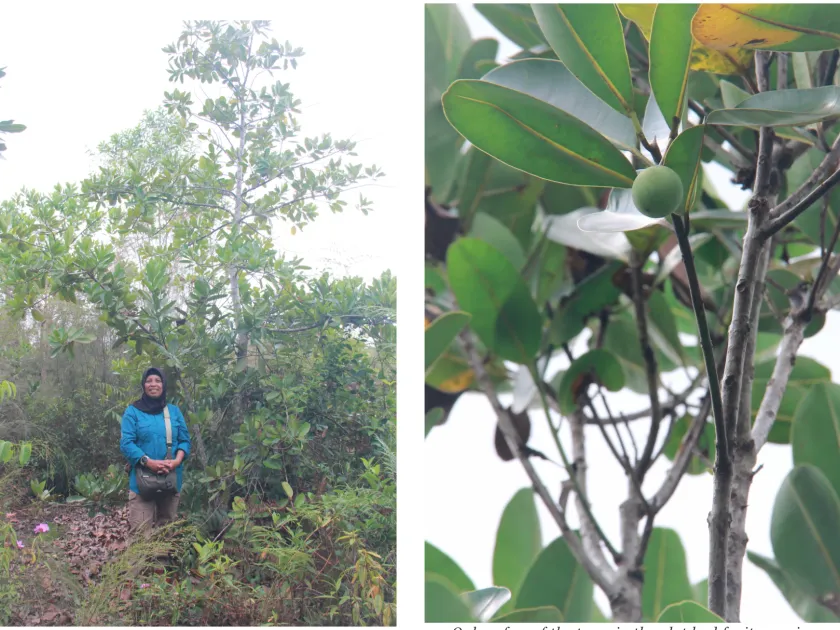
Description
Growing requirements
Shorea balangeran belongs to the Dipterocarpaceae family. It is a prominent evergreen tropical tree, highly valued for its role in the restoration of degraded peatland forests and marshy ecosystems in Southeast Asia.
The species is native to tropical regions with high annual rainfall and temperatures, specifically in areas like Kalimantan and Sumatra. It has evolved to thrive in nutrient-poor, acidic soils that are typically unsuitable for many other agricultural crops.
A critical requirement for successful growth is consistent access to moisture. This species is unique for its ability to tolerate prolonged waterlogging, allowing it to flourish in swampy conditions where other trees would succumb to root rot.
In silviculture, young saplings require partial shade during the early establishment phase. Exposure to direct sunlight can cause leaf scorching and soil overheating, which significantly reduces the survival rate of newly planted trees.
The tree exhibits slow growth rates, necessitating patient management and consistent monitoring of soil health. Implementing sustainable forestry practices, including the use of organic soil amendments, can improve the vigor and development of the root system.
Yield
The primary economic product of Shorea balangeran is its highly durable timber. The wood is prized for its high density and natural resistance to rot, making it an excellent material for heavy construction, flooring, and boat building.
Harvesting timber requires long-term rotation cycles, often spanning several decades. Effective forest management ensures a continuous supply of high-quality wood while maintaining the health of the surrounding ecosystem and its biodiversity.
Beyond timber, the seeds of the tree contain specialized fats and oils. These are harvested for use in local medicinal and cosmetic industries, providing an additional source of income for communities involved in sustainable forest management.
The ecological yield, or the environmental service provided by the species, is significant. By stabilizing peatland soils and preventing erosion, the tree helps protect against carbon emissions and maintains the integrity of regional river basins.
Future agricultural efforts are focusing on selecting superior genotypes that can produce higher volumes of timber in shorter periods. This approach aims to maximize production while preserving the natural habitat of this endangered species.
Main diseases and pests
The most devastating threat to Shorea balangeran populations is forest fire, particularly in drained peatlands. Fires can destroy entire plantations, causing immense losses in both biological assets and environmental stability.
Pests, particularly wood-boring beetles, can significantly degrade the quality of the timber. Infestations are more prevalent in trees that are stressed by environmental fluctuations, underscoring the importance of maintaining forest health.
Root rot caused by fungal pathogens is a concern when hydrological conditions are not managed correctly. Excessively stagnant water combined with lack of soil aeration can create an environment favorable for disease spread.
Illegal logging and land conversion remain major risks to the long-term survival of the species. Protecting natural corridors and strictly regulating harvest volumes are essential for the conservation of this valuable hardwood tree.
- Peatland wildfires
- Wood-boring insect infestations
- Root fungal diseases