
Shorea assamica
Shorea assamica
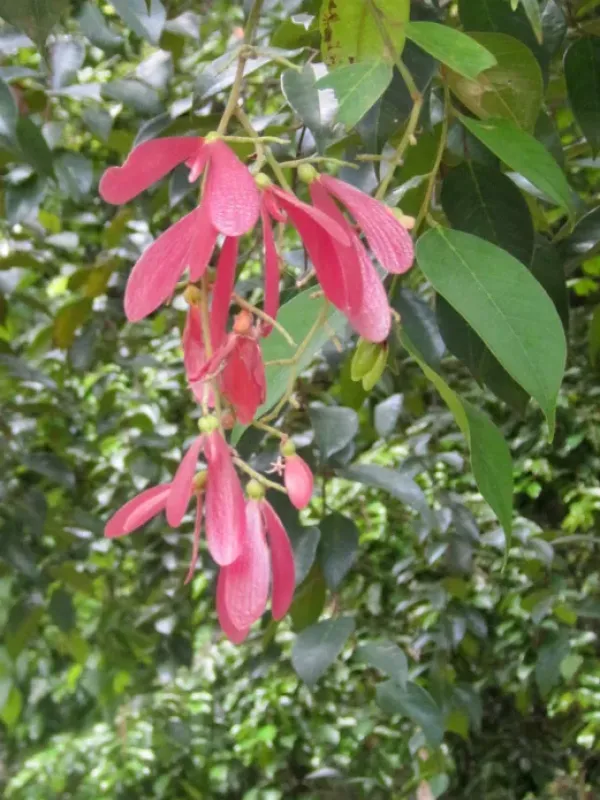
Description
Growing requirements
Shorea assamica is a prominent member of the Dipterocarpaceae family, known for its significant height and majestic appearance in tropical rainforests. This species serves as a primary source of high-quality hardwood timber in its native regions.
The tree originates from the lush tropical belts of Southeast Asia, including parts of India and China. It thrives in humid tropical climates where temperatures remain consistently high throughout the entire growth cycle, ensuring continuous development.
Regarding soil requirements, Shorea assamica demands deep, well-drained, and nutrient-rich substrates. It is particularly sensitive to waterlogging, necessitating landscapes with natural slope or engineered drainage systems to maintain root health.
The species requires a high level of ambient humidity to reach its full biological potential. In forestry, it is often found in primary forests where the canopy provides a buffer against direct exposure, although saplings need sufficient light to grow.
Effective management of this crop involves careful spacing to allow for crown expansion. As a long-rotation species, it requires patience and sustainable harvesting practices to ensure that timber yield does not compromise future ecological balance.
Main diseases and pests
Root rot pathogens represent the most significant biological threat, particularly in nursery settings where humidity levels are difficult to control. These fungi can rapidly destroy large numbers of seedlings if preventive measures are ignored.
Stem borers are common pests that affect the quality of the timber, creating galleries in the wood that reduce its market value. Monitoring for signs of borer infestation is a critical component of forest health management.
Invasive weed species pose a major challenge during the early stages of tree development. By competing for light and soil nutrients, these unwanted plants can severely stunt the growth of young Shorea assamica specimens.
Deforestation and habitat fragmentation significantly impact the survival of wild populations. The loss of corridors prevents genetic exchange, making the species more vulnerable to long-term environmental stressors and disease outbreaks.
Climate-induced environmental changes, such as shifts in rainfall patterns, can disrupt the natural reproductive cycles of the trees. Maintaining healthy ecosystems through reforestation with diverse species is essential to mitigate these broader environmental risks.