
Shorea argentifolia
Shorea argentifolia
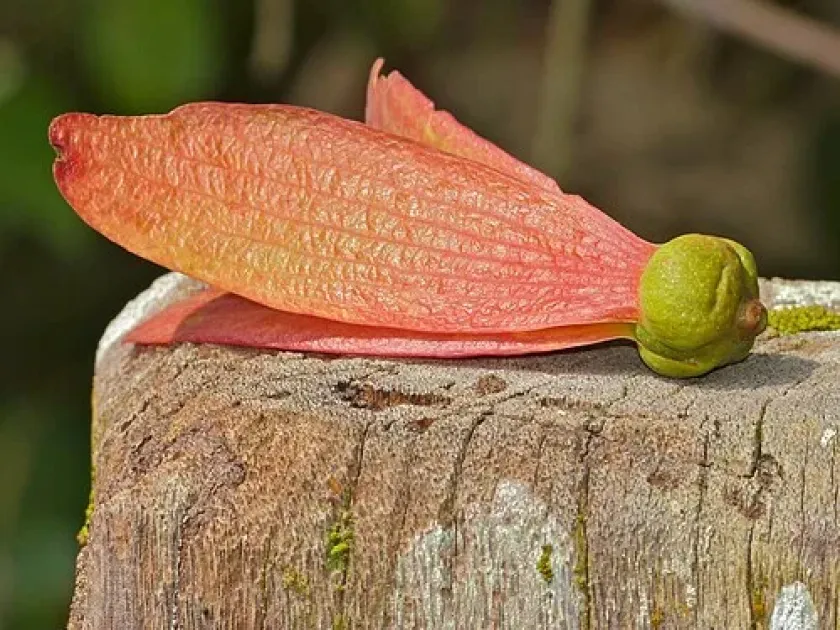
Description
Growing requirements
Shorea argentifolia is a majestic, evergreen, canopy-emergent tree species belonging to the Dipterocarpaceae family. It is native to the tropical rainforests of Borneo, thriving in hot and humid conditions.
The species requires deep, well-drained soils that are typically rich in organic content. It thrives in high-rainfall environments where the canopy creates a distinct microclimate, sheltering the tree during its early development stages.
As a light-demanding species, Shorea argentifolia requires sufficient sunlight to maintain its competitive edge in the forest strata. Its growth cycle is adapted to the stable temperatures of the equatorial zone, which do not fluctuate significantly throughout the year.
Soil management for this species is minimal in natural forests but becomes a critical aspect in plantation setups. Ensuring adequate drainage is necessary to prevent root pathogens from proliferating, which can occur in stagnant water conditions.
This tree plays a vital role in maintaining the ecosystem structure, providing nesting grounds and habitat for diverse tropical wildlife. Its presence is an indicator of a mature and healthy rainforest environment.
Yield
Shorea argentifolia is highly valued for its commercial-grade timber, categorized within the "dark red meranti" grouping. This wood is renowned for its durability, workability, and rich reddish hue.
The timber is predominantly used in architectural millwork, interior trim, furniture production, and plywood manufacturing. Its uniform texture makes it a preferred choice for fine joinery and high-end construction projects.
The yield of timber per hectare is heavily dependent on the management practices employed in the forest block. Because the tree grows relatively slowly compared to pioneer species, selective harvesting cycles are strictly regulated.
The secondary products from Shorea trees, such as dammar resins, contribute to the economic value of the standing trees. Sustainable harvesting of these resins allows for long-term income without removing the tree itself.
Global demand for tropical hardwoods necessitates the adoption of certification standards to ensure that timber originates from well-managed, sustainable forest sources, preserving the species' future availability.
Main diseases and pests
Habitat fragmentation remains the most critical threat to Shorea argentifolia. The conversion of primary forests into agricultural land for palm oil and other cash crops significantly reduces its natural range.
Pests such as bark beetles and wood-boring larvae represent a constant threat to the structural integrity of the timber. In plantation environments, the risk of disease spread is increased due to the reduced genetic diversity of the stand.
Climate-induced forest fires pose a severe danger, particularly in degraded forest areas where the undergrowth is prone to combustion. Such fires destroy seedlings and saplings, which are vital for the natural regeneration of the species.
Illegal logging operations continue to challenge conservation efforts, undermining the enforcement of forest protection laws. These actions exacerbate the loss of mature seed-bearing trees, which are essential for long-term survival.
Effective management requires integrated pest monitoring and stringent enforcement of forest boundaries. Protecting mature mother trees is essential to ensure a continuous supply of seeds for natural reforestation efforts.