
Shorea albida
Shorea albida
Description
Growing requirements
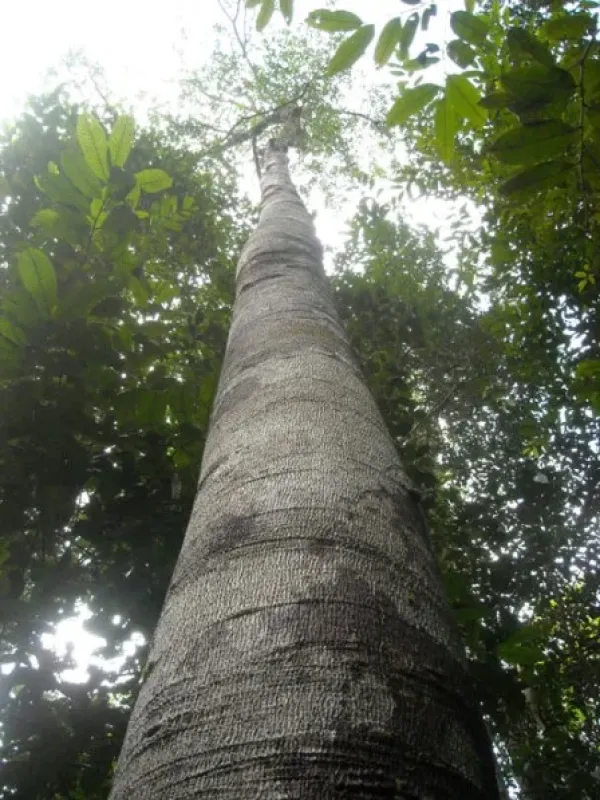
Shorea albida is a magnificent tree species belonging to the family Dipterocarpaceae. It is recognized as one of the dominant species in the tropical peat swamp forests of Southeast Asia, particularly in Borneo.
The species is strictly adapted to high-acidity, waterlogged, and organic-rich peat soil conditions. Unlike many other tree species, it thrives in environments where roots are constantly submerged, playing a crucial ecological role.
The climate requirements for this species are typical of equatorial regions, demanding constant high temperatures and humidity levels. It cannot tolerate long dry spells, as this disrupts the delicate moisture balance of the peat swamp environment.
Silvicultural practices for Shorea albida focus on conservation rather than traditional agricultural planting. Due to its slow initial growth rate, it requires a stable environment and minimal disturbance to establish successfully in its natural range.
Economically, the wood of Shorea albida has been traditionally harvested for its durability and structural strength. However, modern approaches emphasize the need to protect existing stands to prevent biodiversity loss in critical swamp habitats.
Main diseases and pests
The primary threat to the survival of Shorea albida is the widespread drainage of peatlands for industrial agriculture, such as oil palm plantations. Drainage causes the peat to collapse and oxidize, creating lethal conditions for the tree.
Uncontrolled peat fires present a catastrophic risk to these forests. Once ignited, peat fires are exceptionally difficult to extinguish and often kill mature Shorea albida trees by destroying their extensive but shallow root systems.
Pests and pathogens, while secondary to environmental degradation, can attack trees weakened by hydrological stress. Beetle infestations in the bark and sapwood can lead to secondary infections, reducing the overall health of the stand.
Climate change poses a long-term threat through the alteration of precipitation patterns. More frequent and intense El Niño events lead to prolonged droughts, which are fatal for species specialized in constant water saturation.
Habitat fragmentation remains a critical issue, isolating populations and reducing genetic exchange. Conservation programs must prioritize maintaining the continuity of peat swamp corridors to ensure the species' long-term viability.