
Shorea affinis
Shorea affinis
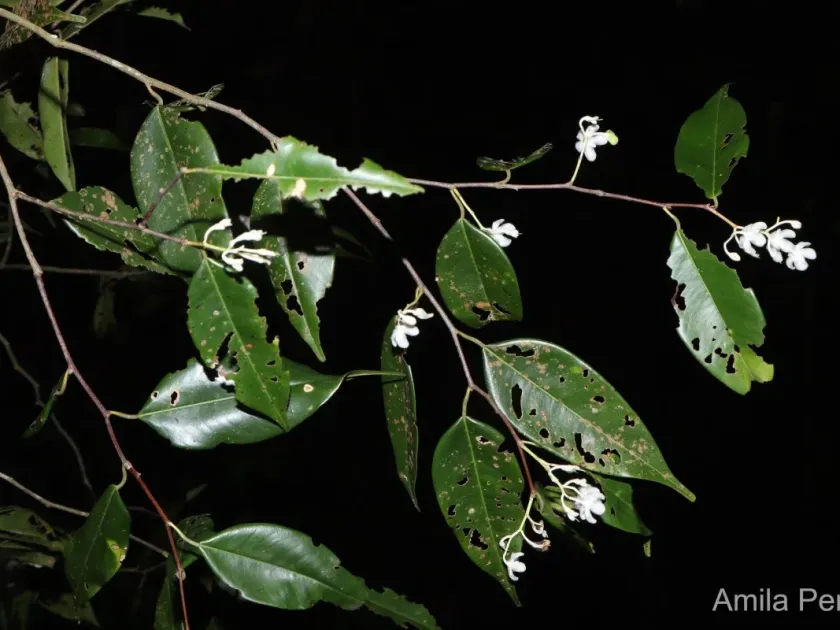
Description
Growing requirements
Shorea affinis is a prominent species within the Dipterocarpaceae family, native to the lush, humid rainforests of Southeast Asia, where it thrives in stable, tropical climates.
The species requires a consistently warm environment throughout the year, with high relative humidity and significant annual rainfall to support its robust growth and physiological functions.
Regarding soil requirements, this tree prefers deep, well-drained, and nutrient-rich soils, which are typical of the alluvial landscapes found in its native range.
Growth development is influenced by light availability; while mature trees occupy the upper canopy, younger specimens often adapt to the dappled light of the lower forest layers.
Cultivation of this species necessitates precise management to mimic the natural ecological conditions, ensuring sufficient moisture and soil health for optimal wood density.
Yield
The primary economic output of Shorea affinis is its high-quality timber, which is highly valued in international markets for its strength, durability, and aesthetic grain.
This wood is extensively used in the production of furniture, high-end interior cabinetry, flooring, and various structural components within the construction industry.
Yield metrics in forestry management are measured by the long-term volume of timber produced, which requires strategic planting and selective harvesting cycles.
Beyond wood production, the species contributes significantly to ecosystem services, including carbon sequestration and the maintenance of complex rainforest biodiversity.
Sustainable harvesting practices are essential to ensure the continued availability of this valuable timber resource while protecting the forest ecosystems from exhaustion.
Main diseases and pests
The most significant threat to Shorea affinis is large-scale habitat loss due to deforestation, land conversion, and the fragmentation of continuous forest landscapes.
In nursery environments, seedlings and young saplings are prone to fungal pathogens, particularly if moisture levels are poorly controlled or ventilation is insufficient.
Various insect pests, including wood-boring beetles and defoliators, can cause damage to both young and mature trees, affecting overall plant health and growth vigor.
Environmental stresses, such as changes in rainfall patterns or regional drought, can significantly reduce the tree's resilience, making it more susceptible to opportunistic infections.
Comprehensive forest management and active conservation programs are required to mitigate these risks and ensure the long-term survival of the species in the wild.