
Hopea parviflora
Hopea parviflora
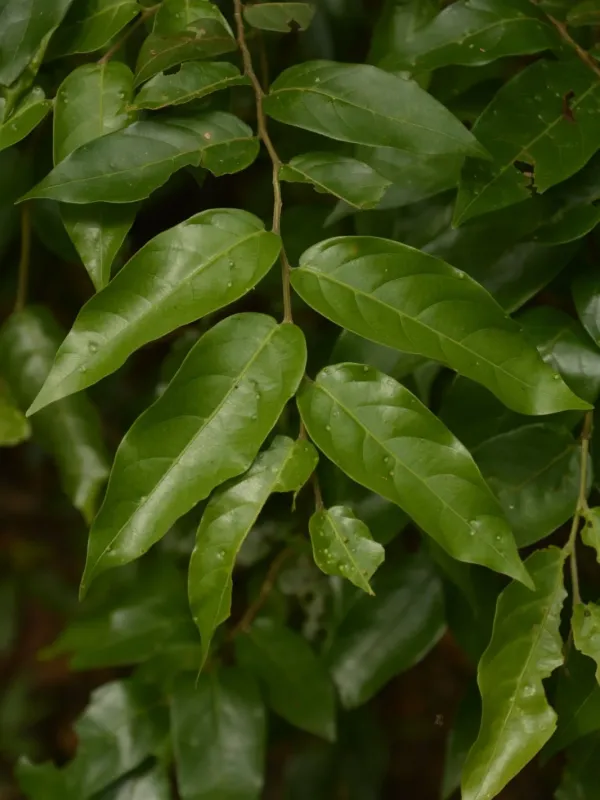
Description
Growing requirements
Hopea parviflora is a prominent evergreen tree belonging to the Dipterocarpaceae family. Known for its impressive growth habit, the tree can reach heights of up to 40 meters, characterized by a straight, cylindrical bole and a dense, symmetrical crown.
Native to the Western Ghats of India, this species thrives in tropical moist evergreen forests. It requires a high annual rainfall, typically exceeding 2000 mm, and consistent humidity throughout the growing season to maintain its physiological functions.
The tree prefers deep, well-drained loamy soils. While it can adapt to various soil types, waterlogged conditions are detrimental to root health. Rich, organic-rich forest soils provide the best substrate for rapid biomass accumulation in young plantations.
Temperature requirements are strictly tropical, generally ranging from 20°C to 35°C. The species is known for its shade-tolerant nature during its juvenile phase, which allows it to establish itself effectively under the canopy of more mature forest stands.
Agronomic management involves nursery-raised seedlings which are then outplanted during the onset of the monsoon season. Regular silvicultural thinning is necessary to optimize growth rates and ensure the development of high-quality timber.
Yield
The primary agricultural and economic value of Hopea parviflora lies in its timber, marketed globally as Irul. This wood is highly prized for its exceptional density, durability, and natural resistance to termites, fungi, and general weathering.
The wood is extensively utilized in heavy-duty construction, including bridge building, railway sleepers, harbor works, and high-traffic flooring. Its strength properties often surpass many other commercially available hardwoods.
Secondary uses of the tree include the extraction of tannins from the bark, which are utilized in various industrial processes. The tree's capacity for complex integration into agroforestry systems makes it a versatile species for land management.
Yields are typically measured by standing timber volume per hectare over a rotation cycle spanning several decades. Effective management practices focus on maximizing the production of long, clear boles that command high market prices.
Long-term sustainability is a key factor in yield calculation. By maintaining balanced age classes across forest stands, landowners ensure a steady and reliable supply of this premium wood for global industrial applications.
Main diseases and pests
Young Hopea parviflora trees are susceptible to various fungal pathogens, particularly in nursery settings with poor ventilation. Root rot is a common issue if soil drainage is not properly managed during the seedling stage.
Insect pests such as wood borers represent a significant threat to the quality of the timber. These pests tunnel into the sapwood and heartwood, creating physical defects that can lower the grade and market value of the harvested material.
Environmental stress, such as prolonged droughts or unexpected heat waves, can weaken tree resistance, making them more vulnerable to secondary pest infestations. Early detection and prompt silvicultural interventions are vital for stand health.
Wildlife damage, particularly from browsing animals, can stunt the growth of young saplings in new plantations. Physical barriers or strategic fencing are often required to protect the trees during their most vulnerable early years of establishment.
Integrated Pest Management (IPM) protocols are recommended to mitigate these threats. This includes promoting natural predators of insect pests and ensuring optimal stand density to maintain healthy airflow and microclimate conditions.