
Hopea nervosa
Hopea nervosa
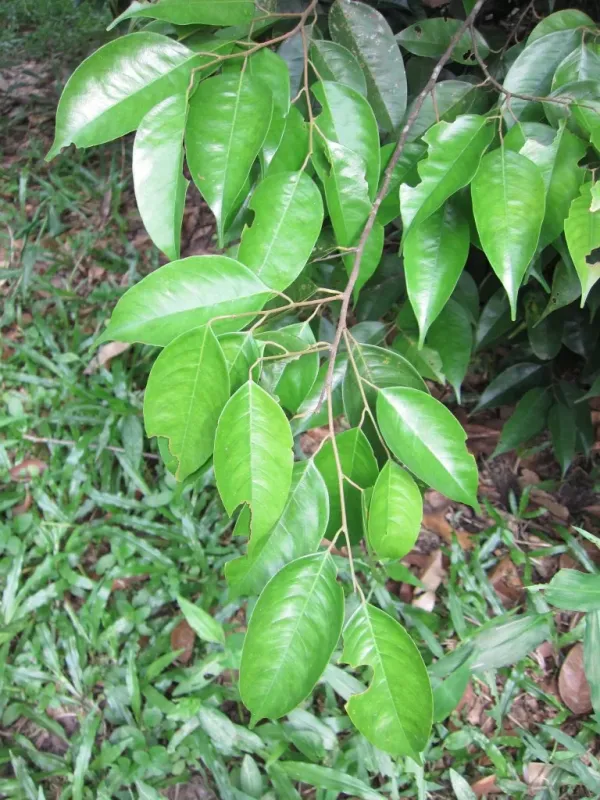
Description
Growing requirements
Hopea nervosa is a majestic evergreen tree species belonging to the family Dipterocarpaceae, native to the tropical rainforests of Southeast Asia. It is highly regarded for its dense, durable wood which is essential for various structural applications in the region.
The species thrives in humid tropical lowland environments characterized by consistently high temperatures and abundant rainfall throughout the year. It requires a climate that avoids extreme seasonality, as consistent moisture is critical for the healthy development of its saplings.
Regarding soil requirements, Hopea nervosa prefers well-drained, nutrient-rich soils, such as deep clay loams or alluvial deposits. The tree is intolerant of waterlogging and stagnant soil conditions, which can lead to significant physiological stress and root system degradation.
Botanically, the tree exhibits a slow growth rate, especially during the initial stages of its life cycle, requiring canopy protection or shade management in silvicultural settings. Mature specimens develop a robust structure, making them key components of the local forest architecture.
The economic utilization of this culture focuses on premium hardwood production. Due to the slow maturation of the species, sustainable forest management practices are strictly required to ensure the long-term viability of the population and prevent over-exploitation of this valuable timber resource.