
Hopea latifolia
Hopea latifolia
Description
Growing requirements
Hopea latifolia is a prominent member of the Dipterocarpaceae family, native to the tropical rainforests of Southeast Asia. This evergreen tree is highly valued for its robust wood properties and its essential role in maintaining the ecological balance of lowland tropical habitats.
The cultivation of this species requires a strictly tropical environment characterized by high humidity, constant warmth, and an absence of extreme cold. It performs best in areas where annual rainfall is high and consistent, ensuring that the tree remains in a state of active growth throughout the year.
Soil requirements for Hopea latifolia include well-drained, nutrient-rich substrates, preferably alluvial soils or deep clays. The species is susceptible to root diseases if planted in waterlogged soils, making effective drainage a critical component of nursery management and site selection for future plantations.
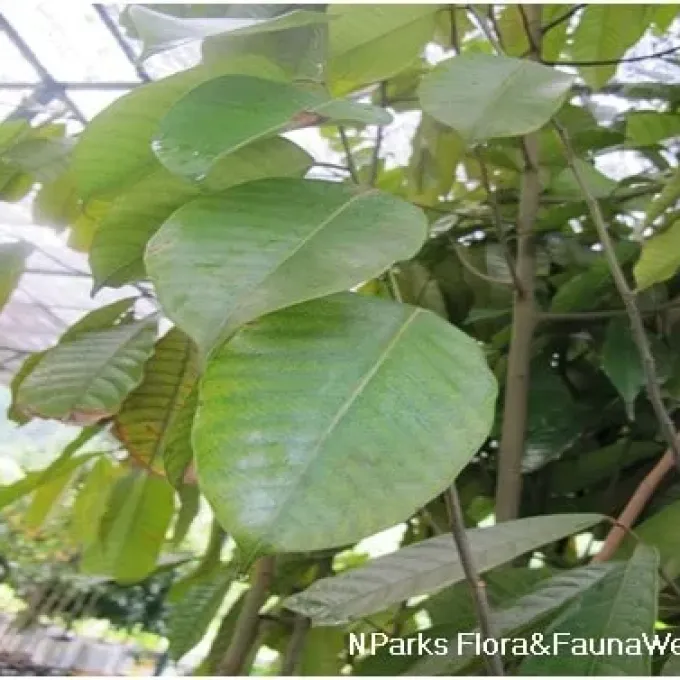
Botanically, the tree is recognized for its broad leaves and straight, tall trunk in mature individuals. As a shade-tolerant species during its sapling stage, it gradually requires more light as it reaches the canopy layer, which is a vital factor for forest regeneration projects.
Economically, Hopea latifolia is harvested for its dense, durable timber, which is suitable for heavy construction and high-grade cabinetry. Given the slow growth rate of the species, current forest management strategies prioritize sustainable harvesting and reforestation efforts to ensure long-term availability.
Main diseases and pests
The primary threats to this species include rapid deforestation and habitat fragmentation, which drastically reduce natural population numbers. Within managed forest stands, fungal infections of the roots and foliage can occur if air circulation is inadequate and humidity levels are too high.
Pests such as stem borers represent a significant threat to timber quality, often necessitating strict pest control protocols. Monitoring for signs of infestation and applying sustainable management practices are essential to safeguard the health of plantations and prevent large-scale losses.