
Hopea jucunda
Hopea jucunda
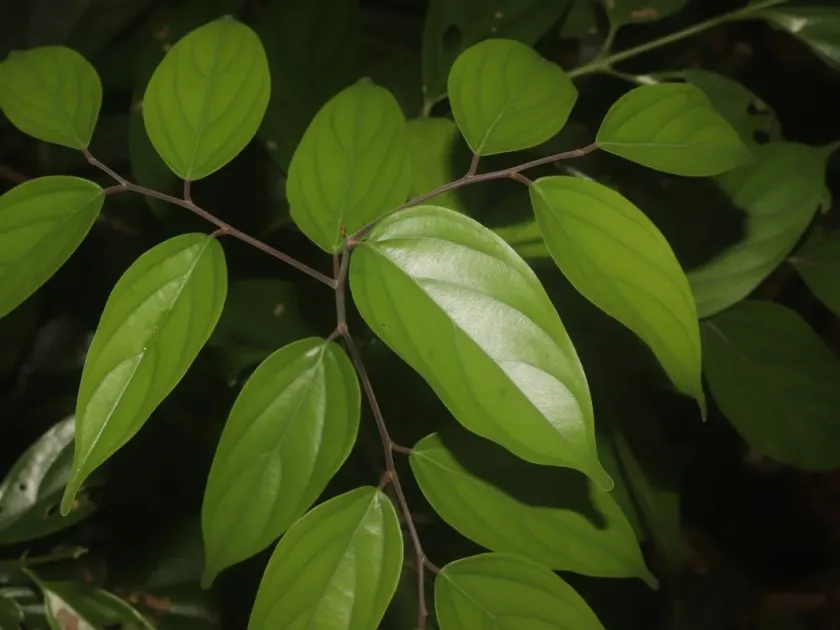
Description
Growing requirements
Hopea jucunda is a distinctive tropical tree species belonging to the Dipterocarpaceae family. It is recognized for its significant role in forest ecosystems and its contribution to the production of high-quality hardwood in Southeast Asia.
The tree originates from humid tropical rainforests where it thrives in conditions of constant high humidity and consistent temperatures. It typically grows as a canopy-forming species, reaching considerable stature over several decades.
For successful growth, this species requires deep, fertile, and well-drained soils. It does not tolerate waterlogging, which necessitates careful site selection in forestry operations. The soil pH should ideally range from slightly acidic to neutral to ensure optimal nutrient uptake.
From an ecological perspective, Hopea jucunda prefers areas with significant rainfall. Young plants exhibit moderate shade tolerance, which gradually decreases as the tree matures, eventually requiring full sunlight exposure in the upper canopy layer.
The economic value of this tree is primarily linked to its timber. The wood is dense, durable, and naturally resistant to many pests and fungal infections, making it an excellent material for high-end construction, flooring, and heavy-duty woodworking projects.