
Hopea foxworthyi
Hopea foxworthyi
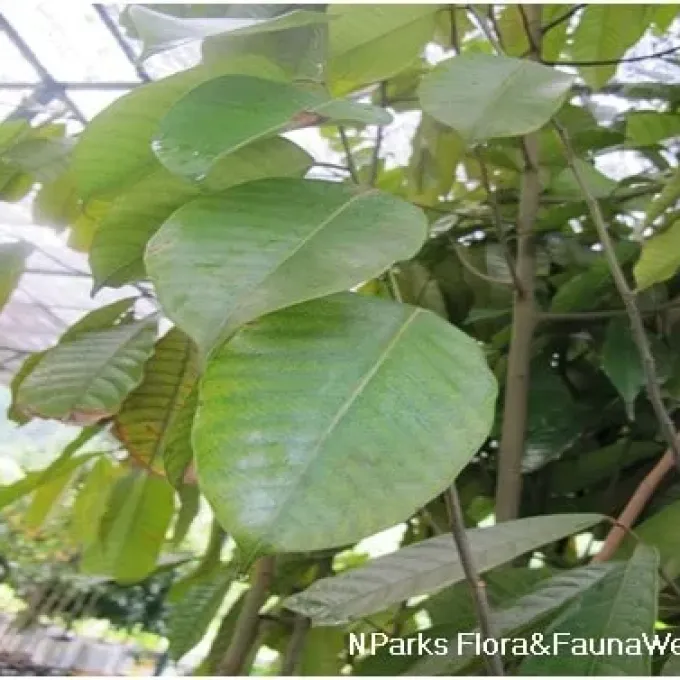
Description
Growing requirements
Hopea foxworthyi is a valuable tree species belonging to the Dipterocarpaceae family. Native to the tropical regions of Southeast Asia, this species is highly regarded for its biological endurance and timber quality.
The culture thrives in hot and humid tropical climates where temperatures remain consistently high throughout the year. It does not possess any mechanisms to tolerate frost or significant seasonal drops in temperature.
Soil requirements for optimal growth involve well-drained, nutrient-rich substrates. The tree prefers deep, loamy soils that provide sufficient moisture retention while preventing stagnant water, which can be detrimental to roots.
Light requirements change significantly throughout the plant's life cycle. While juvenile stages benefit from partial shade, mature trees require full canopy exposure to sustain rapid biomass accumulation.
Adequate water supply is crucial for successful cultivation. Rainfall should be consistent across all seasons to ensure the tree maintains its vigorous physiological development without undergoing water-stress periods.
Yield
The primary economic value of Hopea foxworthyi lies in its high-density, durable timber. This material is widely used in construction, flooring, and heavy-duty structural applications where longevity is required.
The wood is known for its resistance to natural decay and termite attacks, making it a preferred choice for outdoor construction projects. Its physical strength allows it to support heavy loads in architectural designs.
In addition to construction, the species is utilized in high-end cabinetry and decorative woodworking. The wood’s fine grain and aesthetic appeal make it highly desirable for luxury interior design applications.
Timber yield is heavily dependent on long-term forest management practices. Because of the slow growth rate, sustainable harvest cycles must be carefully planned to ensure a continuous supply for the market.
Responsible plantation management contributes to the overall conservation of tropical ecosystems. By cultivating Hopea foxworthyi in controlled environments, the industry reduces pressure on primary virgin forests.
Main diseases and pests
The tree faces several biological threats, with fungal infections of the root system being particularly dangerous in poorly drained soils. These pathogens can cause rapid decline in seedlings and young saplings.
Various insect pests, including bark beetles and foliage-consuming larvae, present risks to tree health. Infestations can significantly reduce the photosynthetic capacity and slow down overall development.
Invasive lianas and encroaching weeds pose a constant threat by competing for sunlight, water, and essential nutrients. This is especially true during the critical first few years of establishment.
Strategic management of plantation health includes routine monitoring and the implementation of silvicultural controls. Maintaining adequate spacing between trees improves airflow and reduces humidity-related risks.
- Systematic inspections of stem integrity.
- Monitoring for early signs of leaf discoloration.
- Removing competing vegetation in the root zone.