
Hopea ferruginea
Hopea ferruginea
Description
Growing requirements
Hopea ferruginea is a prominent species within the Dipterocarpaceae family, native to the tropical rainforests of Southeast Asia. This species is highly valued for its dense, durable wood and plays a crucial role in local forest ecosystems.
The tree thrives in environments characterized by consistently high humidity and warm temperatures throughout the year. It does not tolerate prolonged dry seasons or extreme temperature fluctuations, which makes site selection for plantation cultivation essential.
Regarding soil requirements, the species performs best in deep, well-drained soils that offer good aeration. It is sensitive to waterlogging, as stagnant water significantly increases the risk of root rot and impairs overall growth velocity.
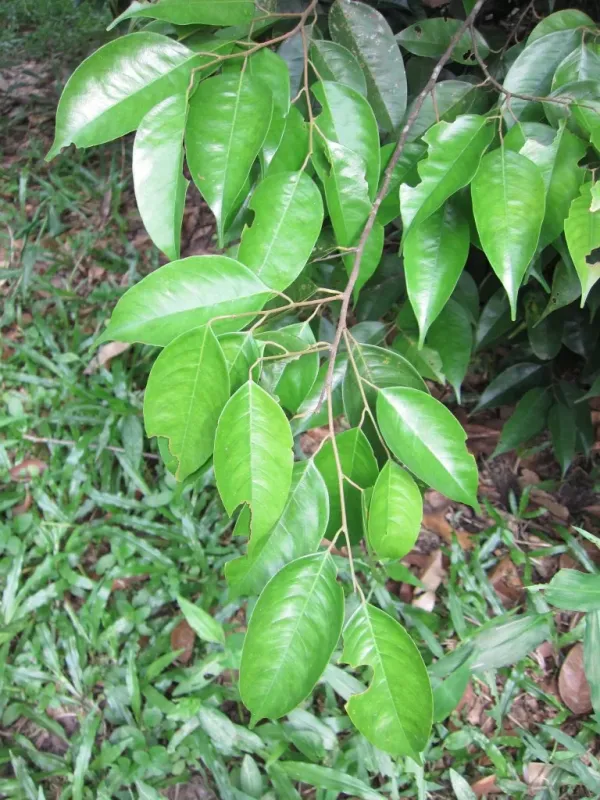
Botanically, Hopea ferruginea is recognized by its dense crown and the ferruginous (rusty-colored) pubescence found on its young leaves and branchlets. This unique feature helps it retain moisture and adapt to the humid environment of the tropical canopy.
The primary economic use of this species is in the timber industry. Its wood is classified as a high-quality hardwood, prized for its strength, weight, and resistance to environmental degradation, making it ideal for heavy structural applications.
Main diseases and pests
One of the primary threats to the species includes infestation by various coleopteran larvae that target seeds and tender shoots. These pests can cause significant damage to natural regeneration cycles, limiting the reforestation potential of the area.
Fungal pathogens represent another significant risk, particularly in high-density plantations where humidity is trapped. Infections can lead to leaf blight and stem cankers, necessitating careful management of planting spacing and crown density.
The reduction of natural habitats due to deforestation poses a severe threat to the long-term viability of wild populations. Fragmentation forces the remaining trees to cope with edges of forest tracts, which are less stable than the interior forest.
Effective management strategies require regular health monitoring and the application of integrated pest management practices. This ensures that the timber quality remains high and that the ecosystem service functions of the forest are maintained.
Sustainability efforts must prioritize the protection of mother trees and the establishment of seed orchards. By combining modern silvicultural techniques with careful monitoring, the productivity of Hopea ferruginea plantations can be optimized over time.