
Dipterocarpus tempehes
Dipterocarpus tempehes
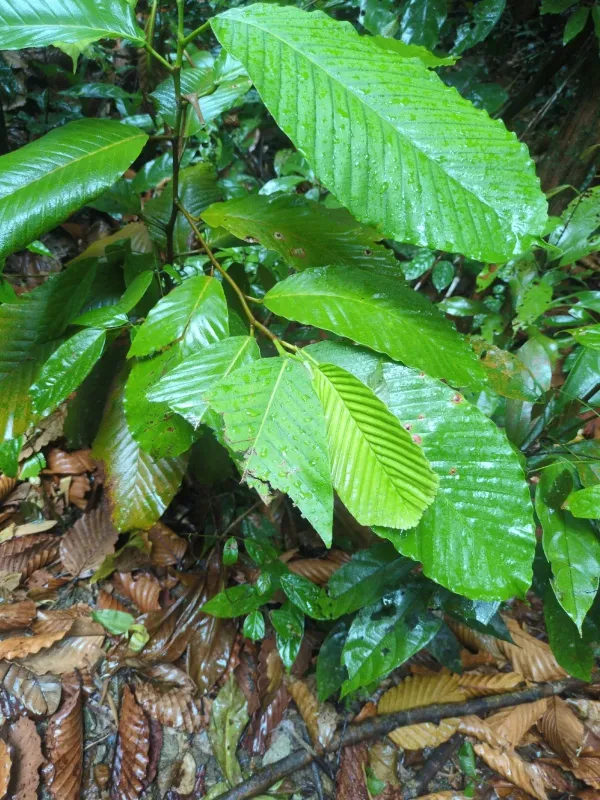
Description
Growing requirements
Dipterocarpus tempehes is a notable species within the Dipterocarpaceae family, native to the tropical rainforests of Southeast Asia, particularly Borneo. This large canopy tree plays a significant role in the forest structure of its native habitat.
The cultivation of this species requires a hot and humid tropical climate, characterized by consistent high temperatures and significant annual rainfall. It cannot tolerate cold snaps or prolonged dry spells, which restrict its viable growing regions.
Soil requirements are quite specific: the tree thrives in deep, well-drained alluvial soils that are rich in nutrients. Good drainage is essential, as the roots are highly susceptible to rot if water stagnation occurs for extended periods.
Botanically, the species is defined by its massive, straight trunk and broad canopy, which is optimized for light capture. The leaves are typically large and leathery, providing a large surface area for photosynthesis in the tropical environment.
Economically, Dipterocarpus tempehes is primarily valued for its durable and high-quality timber. It is extensively used in high-end construction and furniture production, making it a valuable asset for sustainable forestry management in the tropics.
Main diseases and pests
The primary threat to the species is habitat destruction driven by the rapid expansion of industrial agriculture, particularly palm oil plantations. This loss of primary forest reduces the viable land available for the growth of this valuable tree.
Fungal pathogens represent a significant risk to nursery stocks and young saplings, especially in high-humidity conditions. Proper nursery management and site selection are critical to maintaining the health of young plantings and preventing outbreaks.
Pests, particularly wood-boring insects, can severely damage the merchantable timber of mature trees. Regular monitoring and the implementation of integrated pest management strategies are necessary to protect the economic value of the tree stands.
Weed competition is a major obstacle for the establishment of new plantations. Without active intervention and weed control during the early years, saplings often fail to compete for necessary light and nutrients.
Climate change poses a long-term threat by disrupting the typical rainfall patterns the species relies on. Efforts are underway to study the genetic diversity of the species to identify individuals more resilient to environmental fluctuations.