
Dipterocarpus sublamellatus
Dipterocarpus sublamellatus
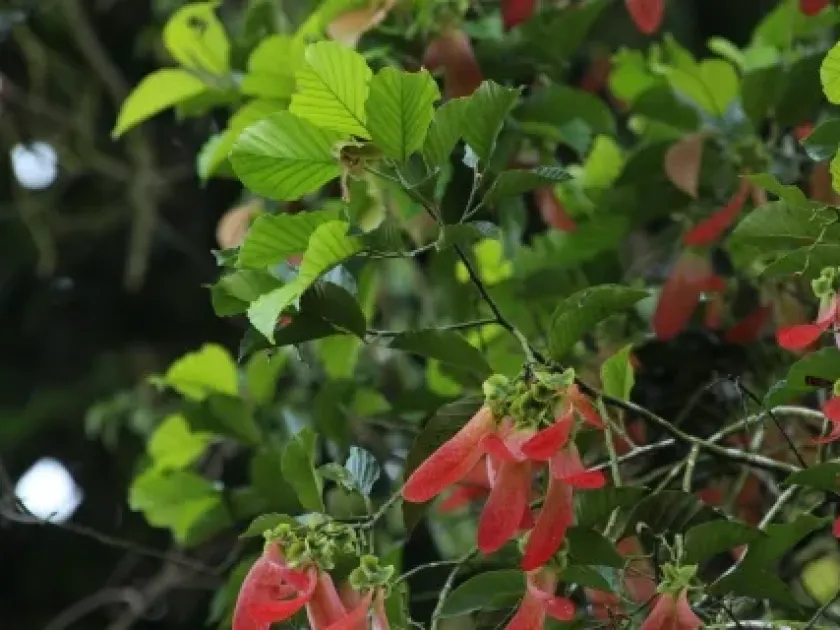
Description
Growing requirements
Dipterocarpus sublamellatus is a significant tree species belonging to the Dipterocarpaceae family. It is recognized as a primary timber-yielding tree native to the tropical rainforests of Southeast Asia.
The natural habitat of this species is characterized by lowland areas with consistent high humidity and year-round rainfall. These environmental conditions are essential for maintaining the physiological processes of the tree.
Regarding soil requirements, the species thrives in deep, well-drained soils that support root expansion. It avoids waterlogged areas and requires nutrient-rich substrates to sustain its massive growth potential.
This tree requires specific light regimes to thrive, particularly during the seedling phase. While mature trees are canopy dominants, younger plants require moderate shade to avoid heat stress during early development.
Economically, the species is valued for its hard, durable timber, which is used in construction and furniture making. Its role in forestry is primarily focused on sustainable management and ecological restoration efforts.
Main diseases and pests
Common threats to Dipterocarpus sublamellatus include fungal infections that exploit humid conditions. Root rot and heart rot are significant issues that can severely compromise the structural integrity of mature trees.
Pests, such as bark beetles and various leaf-eating insects, pose a serious threat to plantation stands. These infestations can weaken the trees, making them susceptible to secondary infections.
Environmental changes, including deforestation and land conversion, disrupt the mycorrhizal networks necessary for the tree's health. Without these symbiotic relationships, the growth rate is drastically reduced.
Human-induced activities, including excessive logging, have led to a decline in natural populations. Protecting the remaining groves requires careful management of both the biological and chemical parameters of the soil.
Effective management includes monitoring for early signs of disease and ensuring balanced nutrient availability. Integrated pest management strategies are crucial for maintaining the health of forest plantations.