
Dipterocarpus rigidus
Dipterocarpus rigidus
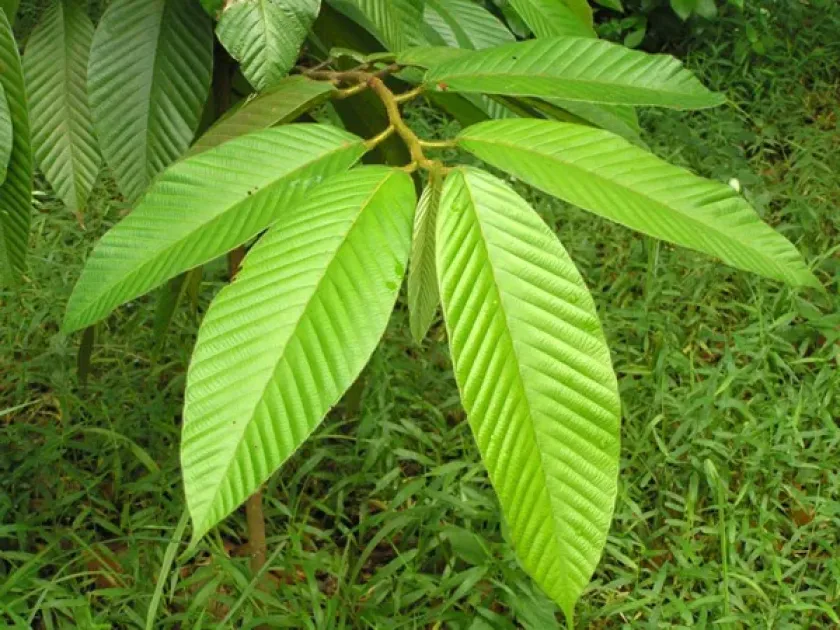
Description
Growing requirements
Dipterocarpus rigidus is a prominent tree species belonging to the Dipterocarpaceae family, native to the tropical rainforests of Southeast Asia. It is widely recognized for its ecological importance and its role in the complex structure of primary tropical ecosystems.
The tree requires a tropical climate characterized by constant warmth and high precipitation throughout the year. It thrives in regions where the humidity level remains elevated, as these conditions are essential for the metabolic processes that support its massive stature and wood density.
Regarding soil preferences, it favors well-drained, deep, and nutrient-rich substrates found in undulating terrains. Effective drainage is vital, as the species is highly sensitive to waterlogging, which can impede growth and lead to physiological stress in the root system.
In terms of silviculture, Dipterocarpus rigidus is considered a long-rotation crop. The establishment of plantations requires careful site selection and the use of nursery-grown seedlings that have been hardened to withstand local environmental fluctuations before being transplanted.
The growth dynamics of this tree depend significantly on light availability. While saplings can endure moderate shading, the species exhibits a rapid increase in biomass once it emerges into the canopy layer, where it gains access to full sunlight and sufficient space for crown expansion.
Harvesting
The primary commercial application of Dipterocarpus rigidus is in the timber industry. Its wood is highly valued for its mechanical properties, including high compressive strength and durability, making it suitable for heavy-duty construction and interior framing.
Beyond traditional timber use, there is ongoing research into the non-timber forest products associated with this genus, such as oleoresins. These substances have historically played a role in local economies for their medicinal and adhesive properties, highlighting the multifaceted value of the species.