
Dipterocarpus retusus
Dipterocarpus retusus
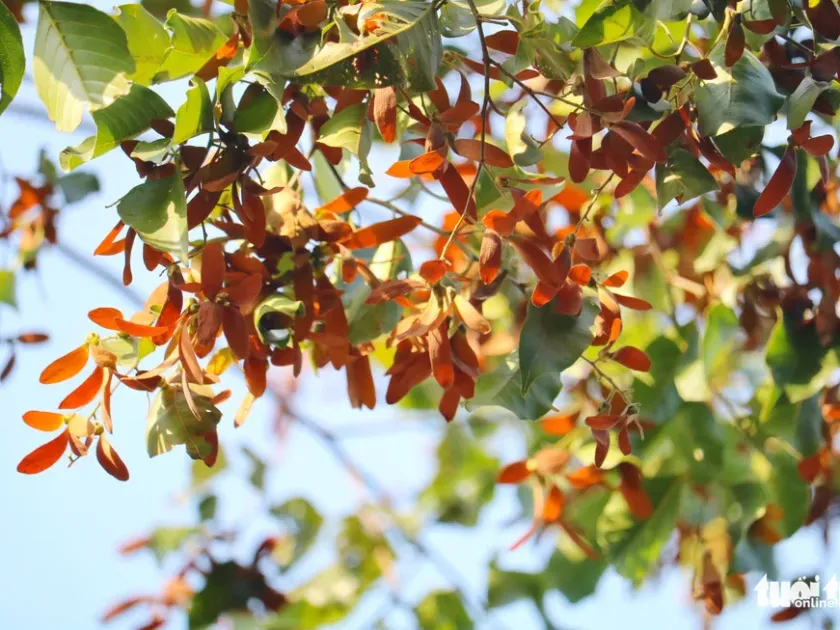
Description
Growing requirements
Dipterocarpus retusus is a magnificent evergreen tree species belonging to the Dipterocarpaceae family, naturally occurring in Southeast Asian tropical rainforests.
The species thrives in humid tropical environments where annual rainfall is high and temperatures remain consistently warm, typically between 20°C and 30°C.
Well-drained alluvial soils that are rich in nutrients are essential for the healthy growth and development of this large forest canopy tree.
When cultivating this species, shading is crucial for young saplings, as they require protection from direct sunlight until they reach a certain level of maturity.
Adequate spacing in plantation settings is necessary to ensure each tree receives sufficient nutrients and light, promoting long-term structural integrity.
Yield
The primary economic output of Dipterocarpus retusus is its high-quality timber, which is highly valued for construction, joinery, and plywood production.
Timber yield is determined by the sustainable harvest cycles that focus on selectively logging mature trees while preserving the surrounding ecosystem.
The tree also provides oleoresins, which have been historically harvested for use in medicine, sealing, and the production of specific varnishes and paints.
Efficient management of these forests results in a stable supply of wood products that support local and regional industries throughout its natural range.
As a long-lived species, the return on investment for forestry projects is calculated over decades of growth and selective maintenance.
Main diseases and pests
Fungal infections and root rot remain the most significant biological threats, particularly when environmental conditions do not allow for adequate soil drainage.
Various wood-boring insects and defoliating pests can negatively impact the health and wood quality of the trees if not monitored through regular inspections.
Habitat loss due to deforestation and land-use changes poses an existential threat to the wild populations of this majestic and ecologically vital tree.
Climate change, manifesting in extreme weather patterns like prolonged droughts, creates stress that makes trees more susceptible to secondary infestations.
Forest management strategies must include disease surveillance and biodiversity preservation to ensure the survival and productivity of these tree stands.