
Dipterocarpus palembanicus
Dipterocarpus palembanicus
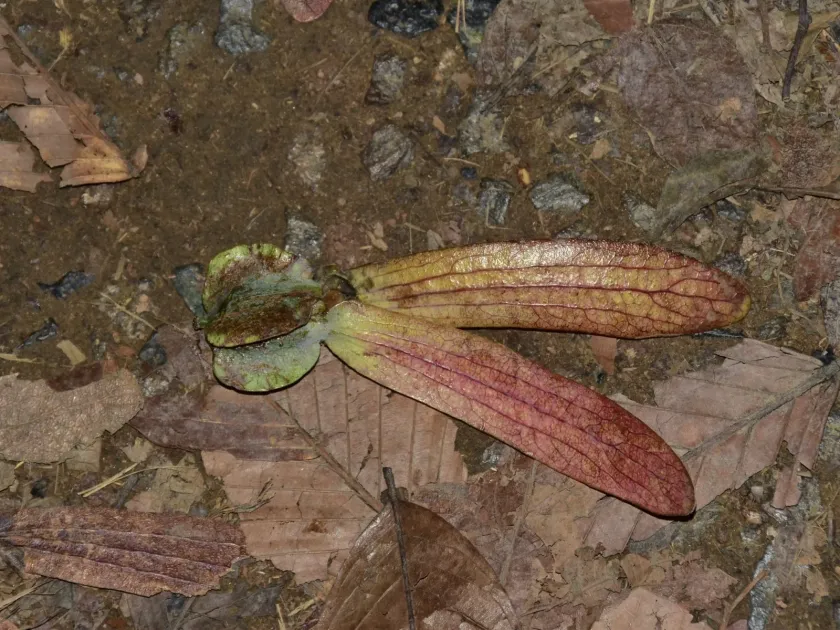
Description
Growing requirements
Dipterocarpus palembanicus is a distinguished species belonging to the Dipterocarpaceae family. It is a large evergreen tree that plays a vital role in the structural composition of the lowland tropical rainforests in Southeast Asia, particularly in regions of Indonesia and Malaysia.
This species thrives in equatorial climates characterized by high annual rainfall and consistent temperatures. It typically occupies deep, fertile, and well-drained soils, showing a strong preference for sites where the soil moisture is maintained but not stagnant.
Botanically, the tree is recognized by its massive, straight trunk and leaves that provide a dense canopy. The reproductive strategy involves wind-dispersed fruits with specialized wing-like structures, which allow the seeds to be carried long distances from the parent tree.
The tree requires significant space and high levels of atmospheric humidity to reach its mature size. It is a slow-growing species, meaning that in controlled or plantation environments, it necessitates patience and careful management of the microclimate during the initial stages of growth.
In economic terms, it is a significant source of high-quality timber. The wood, commercially known as keruing, is valued for its strength and durability, making it a primary choice for structural applications, flooring, and heavy-duty carpentry projects.
Main diseases and pests
The primary threat to Dipterocarpus palembanicus is the large-scale conversion of tropical forests into agricultural land, most notably for palm oil plantations. This destruction of habitat is the leading cause of the species' decline in its natural range.
Fungal pathogens represent a significant biological threat, especially in areas where forest integrity has been compromised. Root rot is a common issue when the natural water drainage patterns are disrupted by human activity or extreme weather events.
Pest infestations, particularly by bark beetles and various wood-boring insects, can severely impact the health of the trees. These pests often target weakened or stressed individuals, potentially leading to mass tree mortality in fragmented forest areas.
Climate change, manifesting as prolonged drought periods, increases the tree's vulnerability to secondary health issues. Stress from lack of water makes the timber more susceptible to opportunistic diseases that would not normally affect healthy specimens.
Invasive plant species can also outcompete seedlings for light and nutrients in disturbed forest gaps, effectively preventing the successful recruitment of the next generation of Dipterocarpus palembanicus within the ecosystem.