
Dipterocarpus oblongifolius
Dipterocarpus oblongifolius
Description
Growing requirements
Dipterocarpus oblongifolius is a prominent species within the Dipterocarpaceae family, known for its status as a majestic evergreen tree native to the tropical rainforests of Southeast Asia. It is often found in riverine areas and humid lowlands of Malaysia and Borneo.
The species thrives in environments with high annual precipitation and consistent tropical temperatures. It is highly adapted to alluvial soils, which provide the consistent moisture levels necessary for its rapid growth during the early stages of development.
Climatic requirements are strict: the tree cannot tolerate prolonged droughts or severe temperature fluctuations. High air humidity is essential for maintaining the health of the canopy and supporting the tree’s metabolic processes throughout the year.
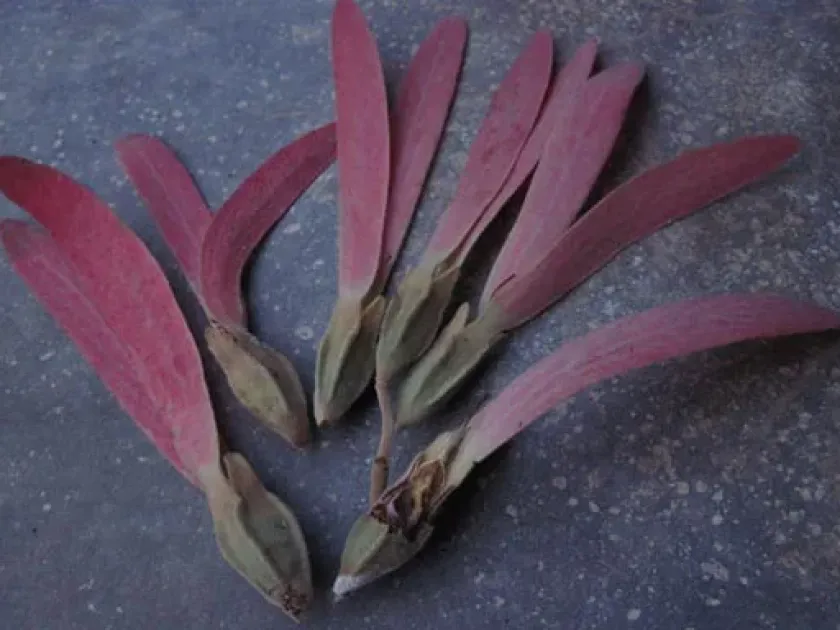
Botanically, this species is identified by its elongated leaves and winged seeds, which are dispersed by wind across the forest canopy. The tree possesses a robust root system capable of stabilizing soil in flood-prone areas, making it a critical component of riverbank ecosystems.
In terms of хозяйственное usage, the wood is highly regarded for its durability and structural strength, frequently utilized in heavy construction. Additionally, the resin extracted from the trunk has been historically used in traditional medicine and local industrial applications.
Main diseases and pests
The primary threat to Dipterocarpus oblongifolius is habitat loss caused by deforestation and agricultural expansion. As a long-lived species, it struggles to recover in disturbed areas where primary forest conditions have been compromised.
Fungal infections, particularly root rot, pose a significant risk in plantation settings where poor drainage or overcrowding occurs. These pathogens can rapidly weaken the tree, leading to decline or death, especially in saplings.
Various borers and xylophagous insects represent common pests that infest the timber, causing economic losses by creating galleries that compromise the wood's structural integrity. Leaf-eating insects can also cause damage, leading to canopy thinning.
Climate change poses a long-term threat by disrupting the delicate timing of flowering and seed production. Changes in rainfall patterns can result in poor fruit set, which limits the natural regeneration and diversity of the species.
Successful management of this crop requires integrated pest control measures and the maintenance of adequate forest cover. Sustainable logging practices are essential to ensure the longevity of the existing natural stands.