
Dipterocarpus lowii
Dipterocarpus lowii
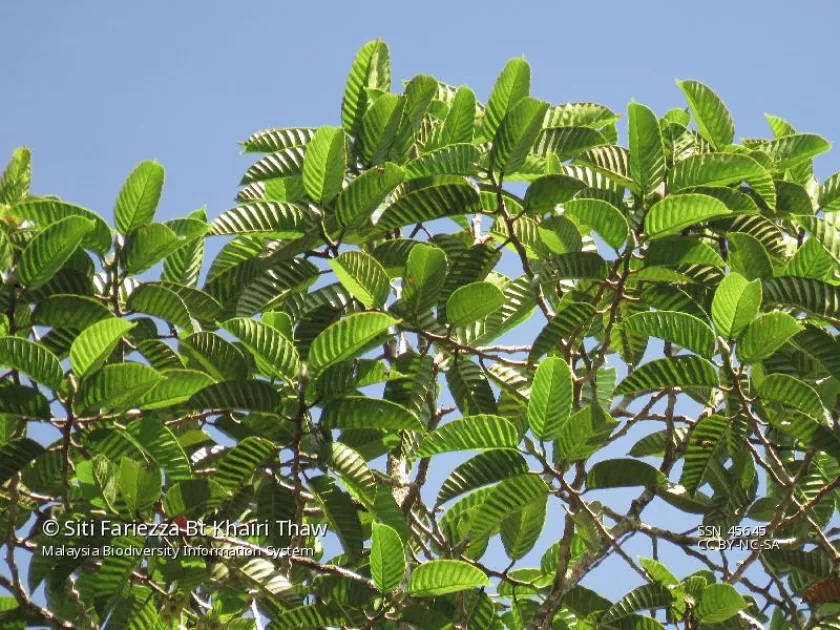
Description
Growing requirements
Dipterocarpus lowii is a prominent tree species belonging to the Dipterocarpaceae family. It is native to the tropical rainforests of Southeast Asia, predominantly found in the lowland forests of Borneo and surrounding regions.
The cultivation of this species requires a warm and humid tropical climate, characterized by stable temperatures and consistent rainfall throughout the year. It does not tolerate prolonged dry seasons or extreme temperature fluctuations.
Soil requirements are critical, as the species thrives in deep, well-drained loamy soils. While it appreciates constant moisture, it is sensitive to waterlogged conditions, which can lead to root system decay and poor plant health.
Botanically, Dipterocarpus lowii is characterized by its significant height and robust, straight trunk. Its leaves are broad and leathery, an adaptation that maximizes sunlight capture in the dense, competitive canopy of the tropical forest.
Economically, the tree is primarily harvested for its high-quality timber, known commercially as keruing. It serves as a vital component of the forest ecosystem, sequestering carbon and providing habitat for numerous species of fauna.
Main diseases and pests
The primary threat to Dipterocarpus lowii is large-scale deforestation, which has significantly reduced its natural range. The conversion of forest land into agricultural estates poses a severe risk to its survival.
Insect pests, specifically wood-boring beetles, represent a major biological threat. They attack the tree trunk, particularly when the tree is weakened by environmental stress or physical damage from logging operations.
Pathogenic fungi are another significant risk, often infiltrating the tree through wounds in the bark or root zones, leading to heart rot and compromising the structural integrity of the timber.
Climate change and the disruption of local hydrological cycles negatively affect seed dispersal and seedling survival, limiting the natural regeneration capacity of the species in wild populations.
Conservation management strategies are essential, focusing on the protection of primary forests and the implementation of sustainable logging practices to prevent the further decline of this important species.