
Dipterocarpus kunstleri
Dipterocarpus kunstleri
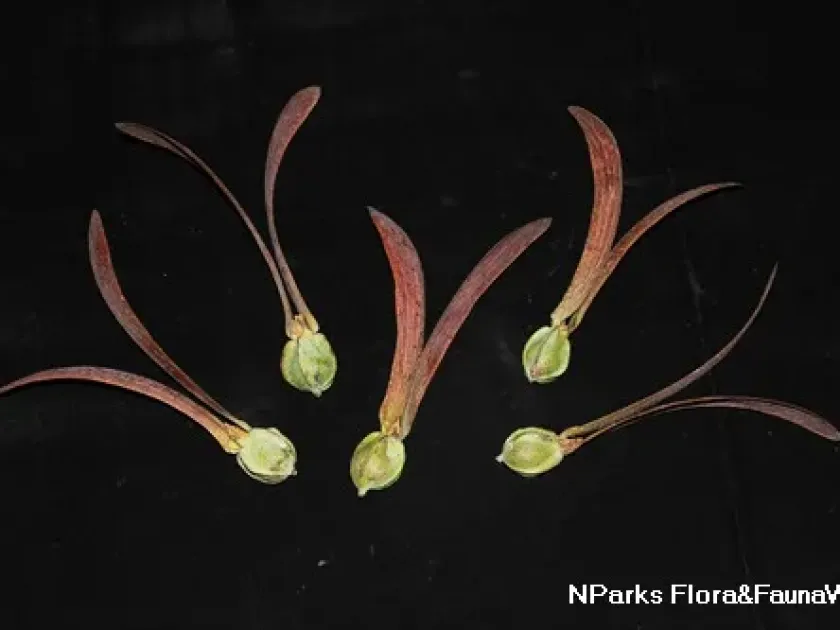
Description
Growing requirements
Dipterocarpus kunstleri is a significant member of the Dipterocarpaceae family. It is a massive evergreen tree characteristic of the lowland tropical rainforests found in Southeast Asia.
The native range of this species is primarily restricted to the Malay Peninsula. It thrives in humid, lowland to hilly forest environments where soil moisture and nutrient content are consistently high.
This culture requires a tropical climate with high annual rainfall and consistent temperatures, avoiding any prolonged dry spells which could impede the growth of young saplings.
Botanically, it stands out as an emergent tree reaching significant heights. Its root system relies heavily on specific mycorrhizal associations to efficiently extract nutrients from the acidic forest soils.
Cultivation in nurseries requires precise light management and soil substrate preparation. Young plants must be protected from direct intense sunlight to allow for steady establishment before field planting.
Yield
The primary economic output of this species is its high-quality timber, globally traded under the group name "keruing." This wood is prized for its structural strength and durability.
It is extensively used in heavy construction, such as railway sleepers, bridge building, and flooring for shipping containers, where extreme load-bearing capacity is mandatory.
Beyond timber, the tree contributes to the ecosystem by producing resins that have historically served various local purposes, including natural varnishes and traditional medicinal applications.
In terms of production, forestry management focuses on the long-term cycle of tree maturation. Due to the high value of the wood, sustainable management practices are critical for long-term viability.
The yield per hectare is carefully managed through selective harvesting techniques, ensuring that the remaining trees can continue to provide seeds for the natural regeneration of the area.
Main diseases and pests
Deforestation remains the most significant threat to the species, driven largely by the conversion of native forests into monoculture plantations, significantly shrinking its natural territory.
Insect pests, particularly borers and wood-attacking beetles, represent a constant risk to the health of the trees, affecting both the standing timber quality and the growth of younger specimens.
Fungal pathogens in the soil can lead to root rot if drainage is insufficient, especially in plantation settings where management practices might inadvertently lead to soil compaction or waterlogging.
Climate change effects, such as altered rainfall patterns, threaten the complex phenology of the tree, potentially disrupting seed production and the survival rate of natural seedlings.
- Habitat fragmentation and loss of biodiversity.
- Damage from xylophagous insect larvae.
- Increased vulnerability to pests due to environmental stress.