
Dipterocarpus kerrii
Dipterocarpus kerrii
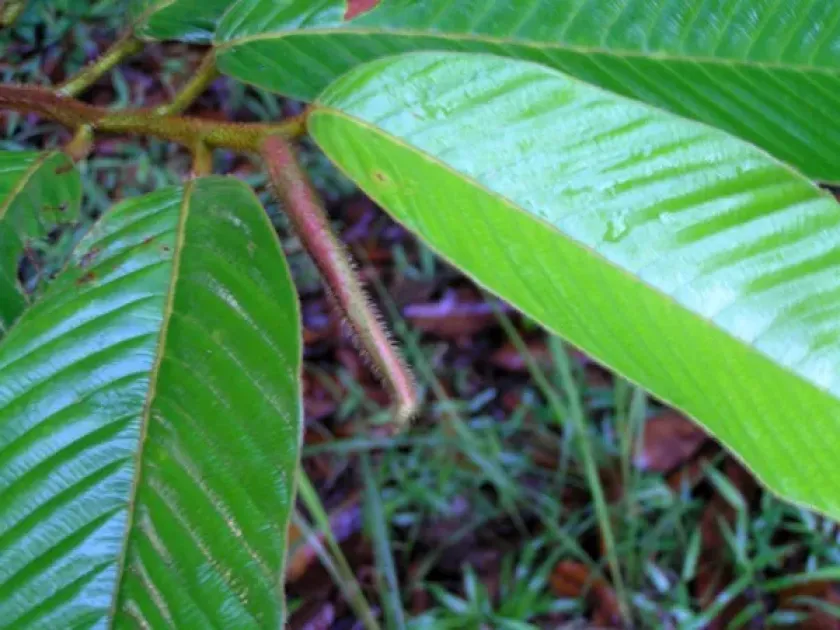
Description
Growing requirements
Dipterocarpus kerrii is a majestic hardwood tree species belonging to the Dipterocarpaceae family. Naturally occurring in the tropical rainforests of Southeast Asia, it is a key component of the emergent layer in its ecosystem, reaching heights of up to 50 meters.
The species is strictly tropical, thriving in regions with high annual rainfall and consistent temperatures. It requires deep, well-drained loamy soils and avoids areas prone to waterlogging or severe drought conditions throughout the growing season.
Botanically, it is characterized by a straight, cylindrical trunk and large, leathery leaves that are adapted to high-humidity environments. Its root system is extensive and deep, providing stability for the massive structure of the tree against strong tropical winds.
In silvicultural practices, site selection is crucial for the successful establishment of Dipterocarpus kerrii. Young trees are shade-tolerant, requiring a nursery environment that mimics the understory of a forest before being transplanted into cleared areas.
Economically, it is highly valued for its durable timber, commonly traded as 'keruing'. Due to its strength and resistance to decay, it is utilized extensively in heavy construction, flooring, boat building, and the production of plywood for export markets.
Main diseases and pests
Biological threats include various wood-boring beetles that target the cambium of weakened or stressed trees. Furthermore, fungal root rot can become a significant issue in poorly drained plantations, leading to tree mortality and loss of productivity.
The species faces severe pressure from habitat loss due to agricultural conversion in its native range. Protecting existing stands and implementing sustainable harvesting techniques are essential for the survival and long-term viability of the Dipterocarpus kerrii population.