
Cotylelobium scabrifolium
Cotylelobium scabrifolium
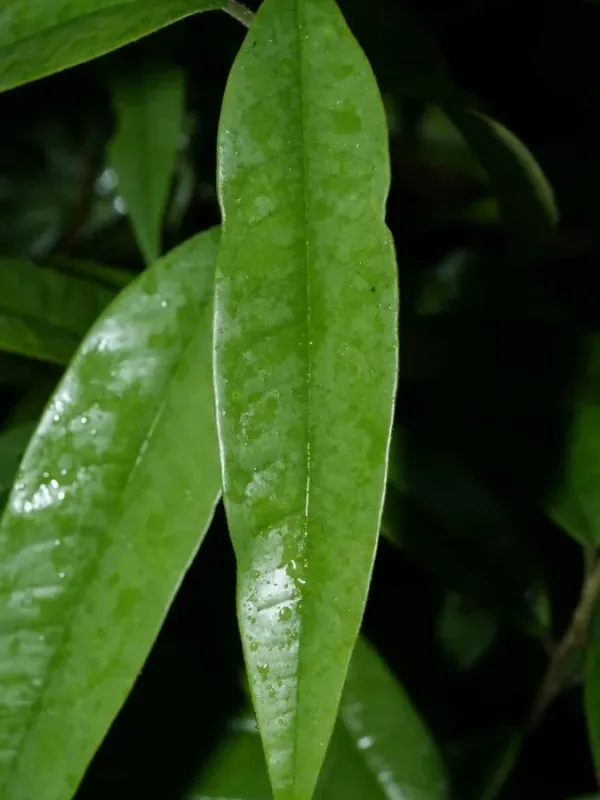
Description
Growing requirements
Cotylelobium scabrifolium belongs to the Dipterocarpaceae family, a group of trees prominent in tropical rainforests. This species is an evergreen tree that thrives in environments characterized by high humidity and consistent tropical temperatures.
Native to parts of Southeast Asia, specifically regions like the Malay Peninsula, this tree is adapted to low-lying forest habitats. It flourishes in areas where the annual rainfall is sufficient to support year-round vegetative growth without significant seasonal interruptions.
The species requires well-drained, nutrient-rich soils to reach its full potential. While it can tolerate a variety of soil types, it performs best in deep, fertile substrates that allow for extensive root development and stable anchoring.
Botanically, the tree is known for its rough leaves, which provide a distinct identification characteristic. It maintains a robust stature, often developing a straight, high-quality trunk that is highly valued in the timber industry.
In terms of light requirements, saplings often grow beneath the forest canopy, benefiting from moderate light levels. As the tree matures, it demands more sunlight to fuel its physiological processes and ensure steady annual growth rings.
Yield
Yield estimation for Cotylelobium scabrifolium is focused on the volume of high-quality hardwood produced over a long growth cycle. As with many tropical dipterocarps, the timber production is slow but produces very dense, durable material.
The productivity of forest stands depends on efficient management practices, including selective thinning and site protection. Optimizing the spacing between individuals allows each tree to reach a higher commercial volume.
In natural forests, the yield is limited by competition and the presence of other species, which is why sustainable harvesting focuses on extracting only mature trees while ensuring the regeneration of younger generations.
Quality control during the harvest process is essential, as the market value is dictated by the dimensions and structural integrity of the timber. Wood from this species is sought after for heavy construction and furniture making.
Economic returns are long-term, reflecting the investment in silviculture and the gradual development of the forest resources over several decades, prioritizing quality over rapid quantity.
Main diseases and pests
The primary threat to Cotylelobium scabrifolium is habitat loss due to large-scale deforestation and land conversion for agriculture. This drastically reduces the number of mature specimens capable of reproduction.
Pathogenic fungi are a significant threat, especially in humid conditions where spores can easily infect trees with existing bark damage. Rotting processes can compromise the structural integrity of the standing timber.
Wood-boring insects are persistent pests that tunnel into the stems and branches. This damage not only stunts the tree's growth but also degrades the quality of the harvested wood, making it less suitable for premium construction purposes.
Climate instability, including uncharacteristic drought patterns, places significant stress on the trees, leading to lower resilience against naturally occurring pathogens and pests in the forest ecosystem.
Conservation strategies are vital for this species, involving the establishment of protected zones and sustainable forestry practices to mitigate the risks posed by human activity and environmental changes.