
Cotylelobium melanoxylon
Cotylelobium melanoxylon
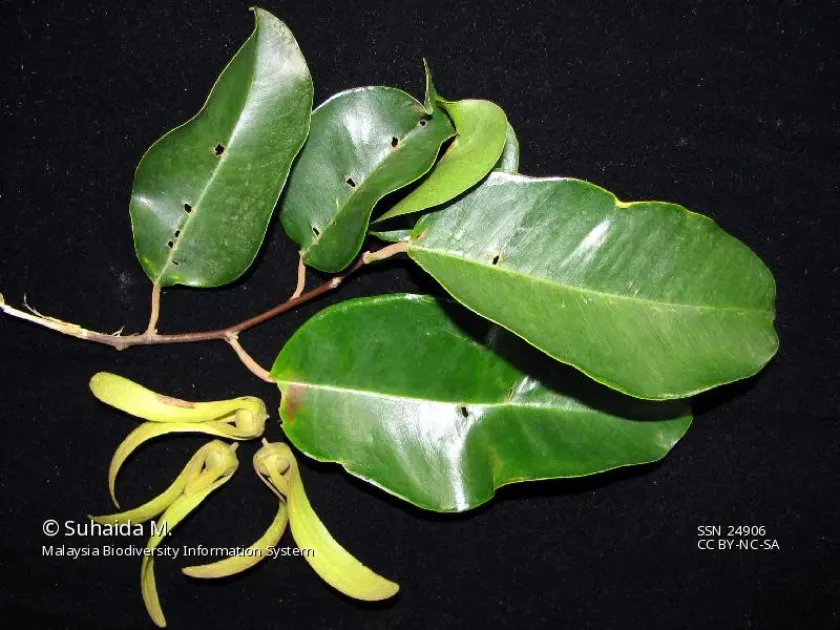
Description
Growing requirements
Cotylelobium melanoxylon is a significant tropical evergreen tree belonging to the Dipterocarpaceae family. It is native to the rainforests of Southeast Asia, where it thrives in specific ecological niches characterized by high precipitation and stable, warm temperatures throughout the year.
For successful growth, this species requires deep, well-drained soils that are rich in organic matter. While the tree appreciates high moisture levels, it is highly intolerant of waterlogged soil conditions, which can lead to root rot and stunted development.
The microclimate plays a crucial role in the survival of young saplings. They require filtered sunlight and protection from direct wind during their early stages of development, mimicking the dense, protective canopy of their natural forest habitat.
Agrotechnical management involves selecting sites that ensure adequate airflow while maintaining high atmospheric humidity. In plantation settings, maintaining a consistent moisture regime is essential to promote steady vegetative growth.
The tree's physiology is adapted to stable tropical environments, meaning that any deviation from these norms—such as prolonged dry spells—requires irrigation systems to ensure health and wood quality.
Yield
The primary economic value of Cotylelobium melanoxylon lies in its exceptionally durable and dense timber. This hardwood is highly prized for its structural integrity, resistance to decay, and longevity, making it a premium choice for high-end construction.
The wood is frequently utilized in heavy-duty engineering projects, such as bridge construction, marine infrastructure, and flooring. Its ability to withstand harsh environmental conditions makes it a sustainable alternative to non-renewable building materials.
Due to the slow growth rate typical of many Dipterocarps, the production cycle is long-term. Forest management strategies focus on thinning and selective logging to ensure that the remaining trees have enough space to maximize their girth and wood density.
Strategic harvesting cycles are necessary to balance immediate commercial needs with long-term ecological sustainability. Proper documentation and management of these resources allow for a consistent supply of high-quality timber to the market.
Investment in the growth of this species is an investment in quality. The unique cellular structure of the timber provides a distinct finish that is highly sought after by craftsmen for furniture and interior design applications.
Main diseases and pests
The main biological threats include various fungal pathogens that flourish in high-humidity tropical environments. If ventilation between trees is poor, these pathogens can quickly spread, compromising the health of the entire stand.
Insects, particularly wood-boring beetles, pose a risk to both young saplings and mature trees. Integrated pest management strategies, focusing on biological controls and regular monitoring, are essential to maintain plantation health.
Habitat loss and deforestation are the most critical threats to the survival of the species in the wild. Ensuring the conservation of natural populations is vital for maintaining the genetic diversity necessary for the long-term success of the tree.
Invasive plant species can compete with young trees for sunlight and nutrients. Aggressive weeding and clearing are mandatory during the initial years of plantation development to ensure the trees can establish their root systems.
Soil degradation due to intensive agricultural practices near forestry sites can also negatively impact the tree's development. Maintaining a buffer zone of natural vegetation helps protect the plantation from external environmental stress.