
Nootka cypress
Callitropsis nootkatensis
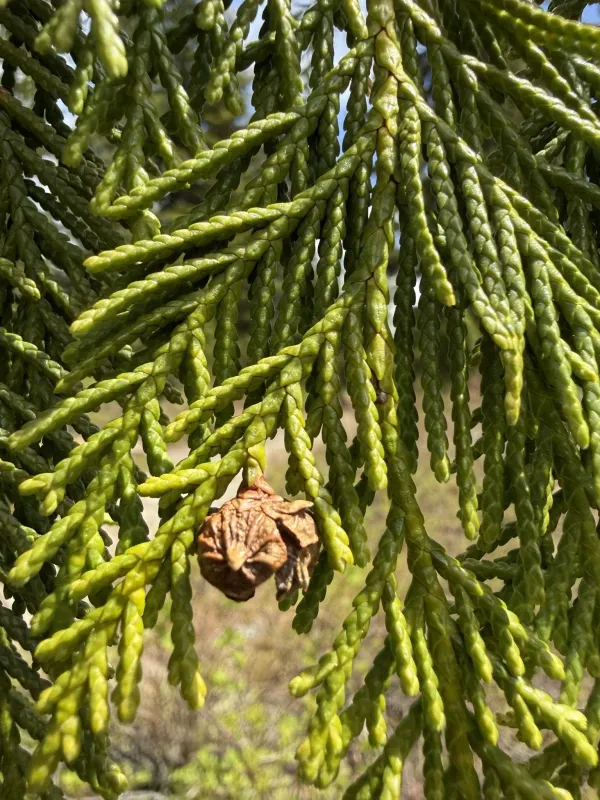
Description
Growing requirements
Nootka cypress (Callitropsis nootkatensis) is a notable member of the Cupressaceae family. Renowned for its graceful, drooping branches, this conifer is a favorite in temperate landscapes worldwide.
The species originates from the coastal regions of the Pacific Northwest, spanning from Alaska down to Oregon. It thrives in maritime climates that offer consistent moisture and cool temperatures.
This tree requires deep, moist, and well-drained soils to maintain its vigor. It is sensitive to soil compaction and waterlogging, which can severely compromise the health of its root system.
Nootka cypress prefers locations with partial shade, though it can tolerate full sun if the soil moisture is consistently managed. It is known for being hardy in various climate zones.
Cultivation practices involve regular monitoring of moisture levels, mulching to stabilize soil temperature, and periodic fertilization designed specifically for evergreens to support foliage density.
Main diseases and pests
Phytophthora root rot is one of the most critical threats to this species. It is primarily driven by poor drainage and excessive moisture accumulation in the soil around the base of the tree.
Fungal pathogens causing tip blight or needle cast can develop during periods of high humidity. Proper spacing between plants is essential to promote airflow and minimize these risks.
Spider mites are a common pest during hot and dry spells. They thrive in dry air and can cause significant discoloration of the needles if not detected and treated early.
Scale insects can occasionally infest the branches, leading to a loss of vigor and the potential for secondary issues like sooty mold accumulation on the foliage.
Effective management involves identifying symptoms early, maintaining plant hygiene through the removal of dead branches, and applying horticultural oils or targeted pesticides when necessary.