
Stereospermum tetragonum
Stereospermum tetragonum
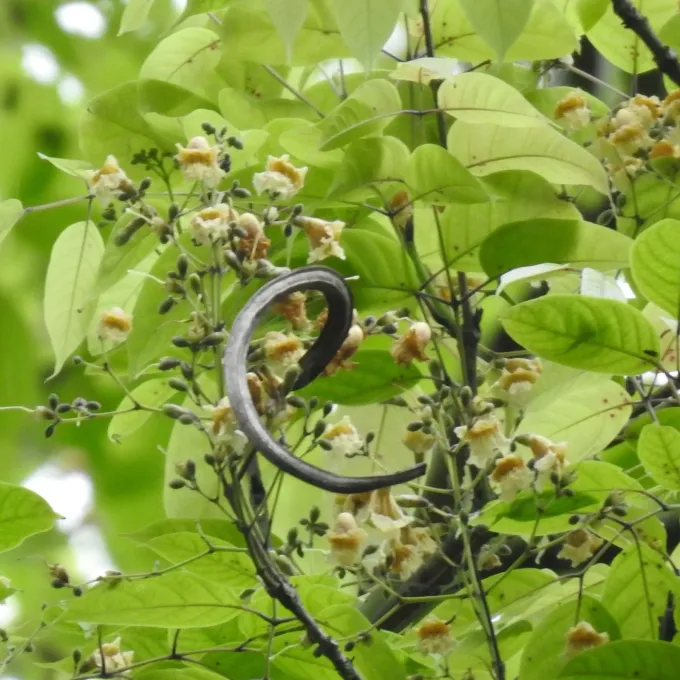
Description
Growing requirements
Stereospermum tetragonum is a notable species belonging to the Bignoniaceae family. It is recognized for its robust growth habit and significant role in local forest ecosystems across Southeast Asia.
The origin of this species is tied to the tropical zones of India and adjacent regions. It thrives in humid climates where the temperature remains consistent and rainfall patterns are predictable throughout the seasons.
Cultivation requires deep, fertile, and well-drained soils to ensure the health of the root system. Proper drainage is essential to avoid waterlogging, which the species does not tolerate during any growth stage.
In terms of agricultural management, the trees need full sun exposure to reach their maximum timber potential. Proper spacing is crucial to prevent resource competition and ensure the development of straight, high-quality trunks.
The timber obtained from this tree is highly valued for its density and durability. It is widely employed in high-end carpentry, interior design, and construction, making it an economically significant culture.
Main diseases and pests
Root rot remains the most critical threat to young plantations, usually triggered by improper soil management or excessive moisture. Improving drainage is the primary defense strategy against these pathogens.
Stem borers pose a constant danger to mature trees. These insects damage the wood quality, significantly reducing the commercial value of the timber if infestation levels remain unmanaged.
Fungal diseases affecting the foliage often thrive in humid and poorly ventilated conditions. Regular pruning and maintaining optimal tree density are effective methods to improve airflow and reduce humidity levels.
Effective plantation management relies on regular sanitary inspections and the removal of infected wood debris. This proactive approach helps in controlling the spread of disease within the stand.
Using resistant cultivars or localized native genotypes is recommended to enhance the overall resilience of the plantation. Integrating these methods ensures sustainable long-term yield and environmental health.