
Fringed stereospermum
Stereospermum fimbriatum
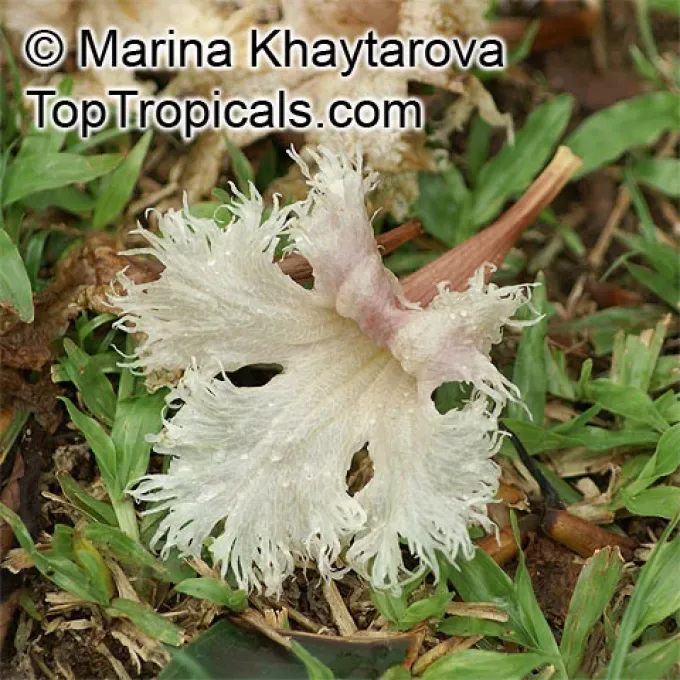
Description
Growing requirements
The Fringed stereospermum (Stereospermum fimbriatum) is a prominent member of the Bignoniaceae family. Originating from the humid forests of Southeast Asia, this species has adapted to thrive in warm, tropical environments.
The tree requires well-drained, fertile soil to reach its full growth potential. It is highly sensitive to soil compaction and waterlogging, making proper site selection and soil preparation essential for successful cultivation.
Botanically, it is recognized for its elegant, fringed flowers and rapid growth rate. The tree typically flourishes in environments with high humidity and consistent tropical temperatures, which are necessary for its metabolic processes.
In terms of agricultural management, it is often grown as a pioneer species in reforestation projects. It requires adequate exposure to sunlight but can also tolerate partial shade during its initial developmental stages.
Its economic value stems from its versatile timber, which is utilized in various woodcraft and construction applications. Additionally, its aesthetic appeal makes it a valuable species for ornamental planting in botanical gardens and urban green spaces.
Main diseases and pests
The primary threats to Stereospermum fimbriatum include root rot pathogens, which are typically associated with poor drainage and excessive irrigation practices in plantation settings.
Pest infestations, particularly by defoliating larvae and various sucking insects, can cause significant damage to young saplings. Integrated pest management strategies are recommended to maintain plant health.
Fungal leaf diseases can emerge in high-density plantings, especially during prolonged rainy seasons. Enhancing airflow through proper spacing and canopy management is a key preventative measure for commercial growers.
Competition from aggressive invasive weeds can severely hinder the growth of younger trees. Regular weeding and the application of organic mulch are effective methods for mitigating this competitive pressure.
Mechanical injuries to the trunk, often caused by maintenance equipment, serve as common infection points for secondary bacterial and fungal pathogens, potentially leading to long-term decline in wood quality.