
Stereospermum chelonoides
Stereospermum chelonoides
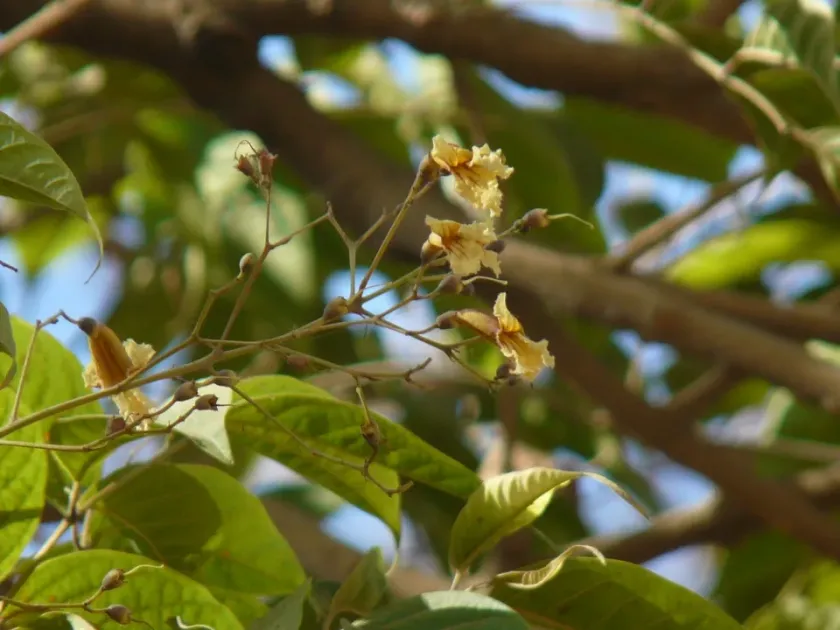
Description
Growing requirements
Stereospermum chelonoides is a prominent member of the Bignoniaceae family, known for its significant presence in the tropical forest ecosystems across Southeast Asia, including regions like India and Sri Lanka.
The tree thrives in climates characterized by warm temperatures and distinct wet seasons, which are essential for its vigorous growth cycle and the development of a robust canopy structure.
Regarding soil requirements, the species performs best in deep, well-draining soils that offer sufficient nutrient levels, while avoiding areas prone to waterlogging that could jeopardize root health.
As a light-demanding species, it requires careful spatial management in plantations to ensure that canopy gaps provide enough sunlight, preventing growth suppression in younger trees.
The tree displays high adaptability to various forest environments, proving its resilience against minor climate fluctuations, which makes it an important species for tropical reforestation efforts.
Harvesting
The primary utility of Stereospermum chelonoides lies in its high-quality timber, which is highly valued for being durable, hard, and naturally resistant to various pests and fungal decay.
In addition to industrial wood applications, the tree holds considerable medicinal value, with various traditional practices utilizing its bark, roots, and leaves to treat inflammation and fevers.
Harvesting for commercial purposes requires careful selection of mature trees to ensure sustainable management of the forest, allowing the ecosystem to regenerate effectively after timber extraction.
Seed collection is typically timed with the maturation of the woody seed pods, which naturally dehisce to disperse winged seeds, requiring precise manual gathering for nursery production cycles.
Sustainable harvesting practices, combined with modern silvicultural techniques, ensure that the demand for its valuable wood is met without compromising the long-term viability of the species.