
Amphitecna latifolia
Amphitecna latifolia
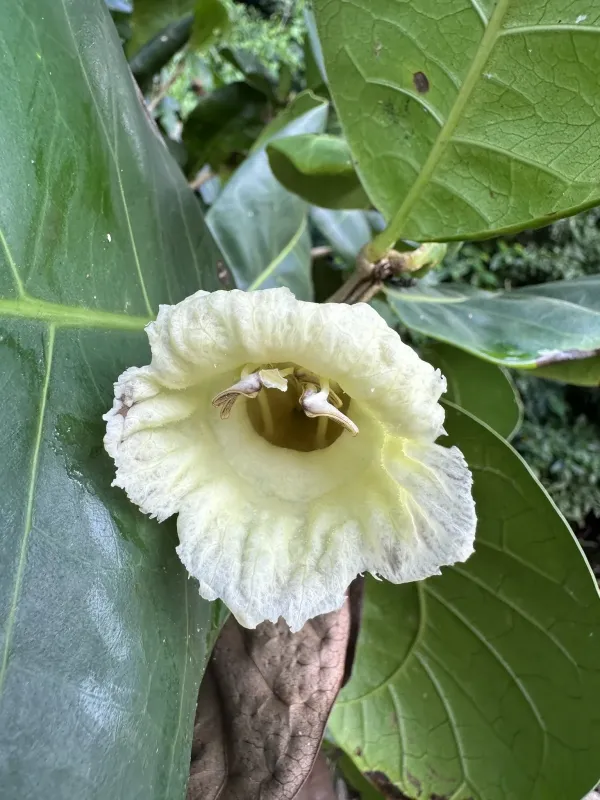
Description
Sowing dates
Propagation of Amphitecna latifolia is primarily achieved through seeds in nursery environments. Seeds require consistent moisture and warm temperatures, typically germinating within three to six weeks depending on environmental stability.
Field planting is ideally timed at the onset of the rainy season to allow the young saplings to establish deep root systems before the onset of drier conditions. Containerized planting methods significantly improve success rates for initial establishment.
A planting distance of 6 to 8 meters between individual trees is recommended to accommodate the broad, dense canopy. This spacing ensures proper air circulation, which is vital for maintaining the health of the tree in humid tropical climates.
Initial care during the first two years of growth includes regular irrigation and protection from intense direct sunlight. This helps the young plant survive the transition period while its root system matures.
Soil preparation should involve incorporating organic matter into the planting pit to provide the necessary nutrients for robust early growth and overall plant vigor.
Growing requirements
Amphitecna latifolia, a member of the Bignoniaceae family, is an evergreen tree that thrives in tropical regions. It is characterized by its broad, glossy foliage and its ability to maintain a lush appearance throughout the year.
The tree requires a stable tropical climate with temperatures typically ranging between +22 and +30 degrees Celsius. It is highly intolerant of frost and cold winds, which can cause severe foliage damage and stunted development.
Deep, well-draining loam soils with a neutral or slightly acidic pH are ideal for this species. It is sensitive to waterlogged conditions, which can lead to root decay and various fungal infections in the root zone.
Adequate sunlight is essential for the tree's health and productivity. While young trees benefit from partial shade, mature specimens require full sun exposure to maintain vigorous growth and dense canopy formation.
While the tree shows some tolerance to temporary dry spells, consistent soil moisture is crucial for optimal development and fruiting. Mulching around the base can help preserve soil moisture levels effectively.
Yield
Yield varies depending on the tree's maturity and adherence to sound agricultural practices. The fruits, often resembling those of the related calabash tree, have a distinctive smooth, green, and elongated shape.
Economic utility is largely centered on the fruit's hard shell, which is highly valued for producing household tools, containers, and musical instruments. The pulp is rarely consumed raw and typically requires preparation according to local customs.
The wood of Amphitecna latifolia is noted for its durability and resistance to wear, making it a valuable material for small-scale carpentry and the creation of durable handcrafted items.
Strategic pruning of the canopy encourages the development of more fruit-bearing branches, which leads to a gradual increase in total fruit production throughout the active growing season.
The species serves not only as a productive agricultural tree but also as an ornamental component in tropical landscapes due to its year-round evergreen foliage and unique structure.
Main diseases and pests
Fungal diseases related to high humidity and poor air circulation are the primary threats. Leaf spot diseases can cause premature defoliation, significantly reducing the tree's overall health and aesthetic value.
Pests such as scale insects and mealybugs frequently target young branches and the underside of leaves. If left unmanaged, these pests can weaken the tree and foster the growth of sooty mold.
Root-knot nematodes can become an issue when the tree is grown in sandy soils with inadequate organic matter. Preventive soil management is essential to minimize the risk of nematode infestation.
Sanitation practices, such as removing and destroying infected foliage or dead branches, are crucial for controlling the spread of diseases within the orchard or plantation.
Integrated pest management, favoring the use of horticultural oils and biological controls, is highly recommended to protect the ecosystem while effectively managing populations of harmful insects.
Harvesting
Harvesting is performed by hand when the fruits reach the desired size and color maturity. Careful observation is required to ensure that fruits are collected at the optimal stage for intended use.
Using sharp, sterilized cutting tools is necessary to prevent injury to the fruit-bearing buds, which ensures the tree remains productive in subsequent growing cycles.
Post-harvest handling involves cleaning the surface of the fruits and sorting them by size or shell quality. Proper storage in a dry, ventilated area helps preserve the integrity of the shell for long-term use.
If the fruit is harvested for culinary processing, it must be handled immediately to prevent degradation of the interior pulp, which can be sensitive to prolonged exposure to ambient temperatures.
Transporting the harvest requires rigid containers to prevent crushing or bruising the fruit's skin, as even minor damage can compromise the structural quality of the shell.