
Formosan sweetgum
Liquidambar formosana
Description
Growing requirements
Formosan sweetgum, scientifically known as Liquidambar formosana, is a deciduous tree belonging to the Altingiaceae family. It is native to eastern Asia, spanning regions from China to Taiwan and parts of Southeast Asia, where it thrives in montane forests.
This species requires deep, moist, and well-drained soils to reach its full potential. It shows a preference for slightly acidic to neutral substrates and performs best in areas with high humidity and consistent rainfall patterns.
In terms of climate, the tree is adaptable to warm temperate and subtropical zones. While mature trees are moderately hardy, they benefit from sheltered sites that protect them from desiccating winds and extreme late-spring frost events.
Agricultural management of this crop involves mulching to preserve soil moisture and routine nutrient applications during the establishment phase. Proper spacing is essential to ensure adequate airflow and light penetration for the canopy development.
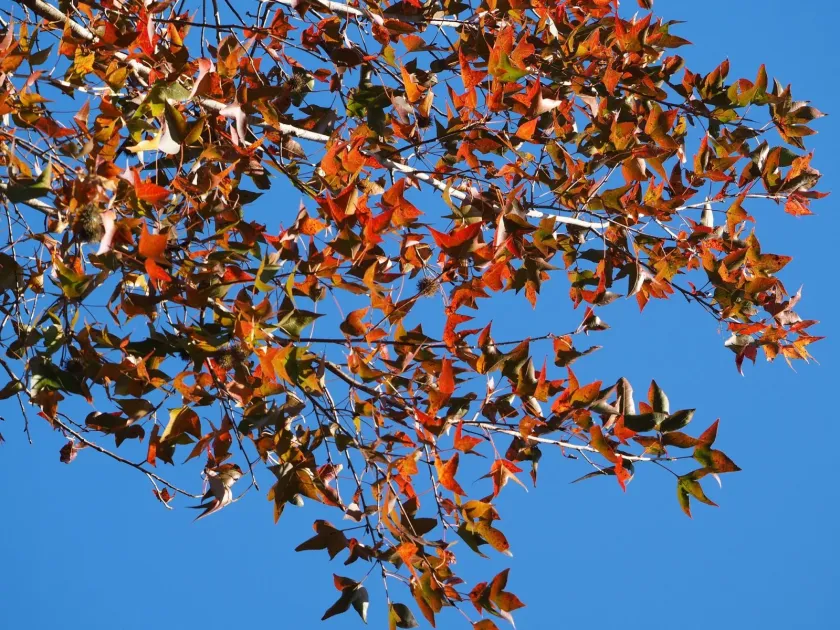
Beyond its value in timber production, the Formosan sweetgum is a staple in ornamental horticulture. It is highly valued for its striking autumn foliage, which transitions from rich greens to vibrant purples and deep reds.
Main diseases and pests
The tree is generally robust but can be susceptible to various leaf spot diseases when grown in poorly ventilated or excessively humid conditions. Management typically involves the removal of infected foliage and improving site drainage.
Pests such as scale insects or borers may occasionally infest weakened trees. Maintaining tree vigor through proper irrigation and fertilization is the primary defense against such opportunistic pests.
Root rot, particularly Phytophthora, represents a significant threat in waterlogged soils. Ensuring site drainage is a critical component of the planting strategy to prevent long-term root system damage.
Sanitation practices, such as the removal of dead or broken branches, help minimize potential entry points for pathogens and wood-decaying fungi. Regular monitoring ensures the tree remains healthy and structurally sound.
In intensive cultivation, systematic scouting for insect activity during the spring flush is recommended. Integrated pest management strategies should prioritize biological controls to maintain the ecological balance of the site.