
Liquidambar acalycina
Liquidambar acalycina
Description
Growing requirements
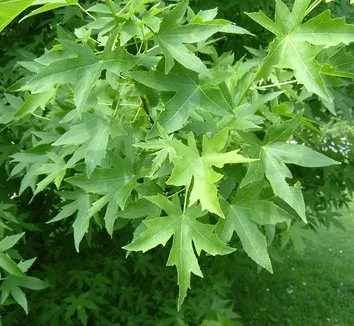
Liquidambar acalycina, also known as the Chinese sweetgum, is a deciduous tree belonging to the Altingiaceae family. It is highly valued for its elegant, glossy leaves that turn vibrant shades of red and orange during the autumn season, making it a prominent feature in temperate landscapes.
The species originates from the mountainous regions of central and southern China. It thrives in humid subtropical environments, where it grows as part of mixed broadleaf forests. Its adaptability makes it a popular choice for large-scale landscaping and specialized forestry projects in similar climatic zones.
Successful cultivation requires well-drained, fertile soil that remains consistently moist throughout the growing period. The species performs best in slightly acidic to neutral soil conditions. It is crucial to avoid areas prone to heavy waterlogging, as this can severely inhibit root development and overall vitality.
The tree prefers a sunny location to maximize its autumnal foliage colors, though it can tolerate partial shade in warmer climates. Providing shelter from strong, drying winds is recommended, especially for young saplings, to ensure healthy canopy formation and prevent branch breakage.
Maintenance involves regular monitoring of soil moisture, particularly during the first few years after transplantation. Mulching is highly recommended to regulate soil temperature and suppress weed competition, which allows the young tree to establish a robust and deep root system effectively.
Main diseases and pests
The most significant threats to Liquidambar acalycina often stem from inadequate drainage, which promotes the development of root rot and other fungal infections. Maintaining a healthy soil environment and ensuring proper spacing between plants are essential preventive measures against these pathogens.
While generally resilient, the tree can attract sap-sucking insects such as aphids or scale insects. Routine inspection of the underside of leaves and twigs allows for early detection, enabling arborists to manage pest populations before they impact the structural health of the tree.