
Yunnan amentotaxus
Amentotaxus yunnanensis
Description
Growing requirements
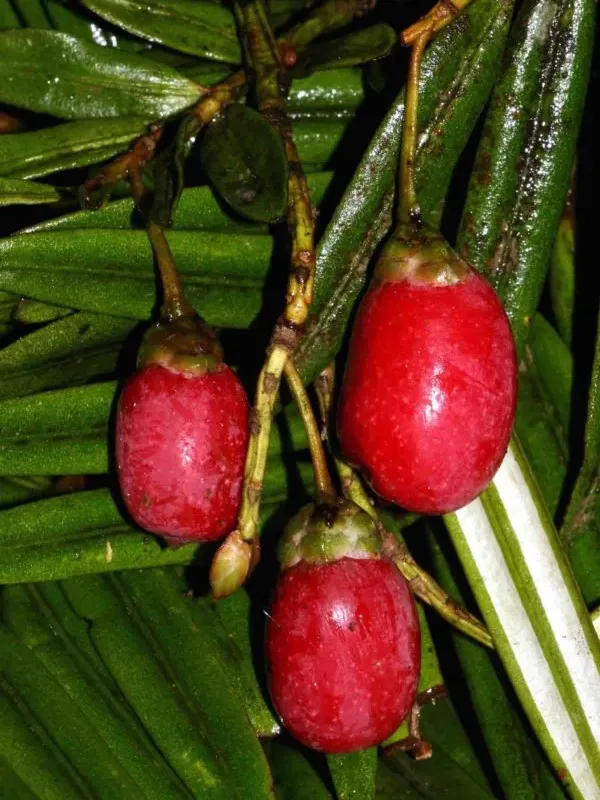
Amentotaxus yunnanensis, commonly known as the Yunnan amentotaxus, is a rare evergreen conifer belonging to the Taxaceae family. It is a relic species indigenous to the mountainous regions of Yunnan, China, and parts of Vietnam, where it thrives in specialized microclimates.
This species requires a subtropical environment with high humidity and significant shade. It is typically found in deep valleys and forests, where the canopy provides the necessary protection against direct solar radiation and temperature extremes.
Cultivation of this plant demands well-drained, humus-rich soil that maintains a consistent moisture level. A slightly acidic to neutral soil pH is ideal, provided there is adequate aeration for the root system to prevent common fungal pathogens associated with waterlogging.
The biological growth rate of the Yunnan amentotaxus is characteristically slow. This slow development necessitates professional nursery management, where precise control over stratification and propagation techniques is applied to ensure the survival of young saplings.
Host use is primarily limited to botanical research and ornamental collection. As the species is listed as threatened in the wild, its cultivation is largely focused on conservation programs designed to protect its unique genetic diversity for future generations.
Main diseases and pests
The primary threats to Amentotaxus yunnanensis include habitat loss and environmental degradation, which have restricted its natural distribution. In artificial cultivation, improper irrigation practices often lead to root rot, which is the most significant disease risk.
Common pests include scale insects and spider mites, which can infest the foliage if the air remains too dry. Integrated pest management, including regular inspection and humidity control, is essential for maintaining plant health in controlled environments.