
Amentotaxus formosana
Amentotaxus formosana
Description
Growing requirements
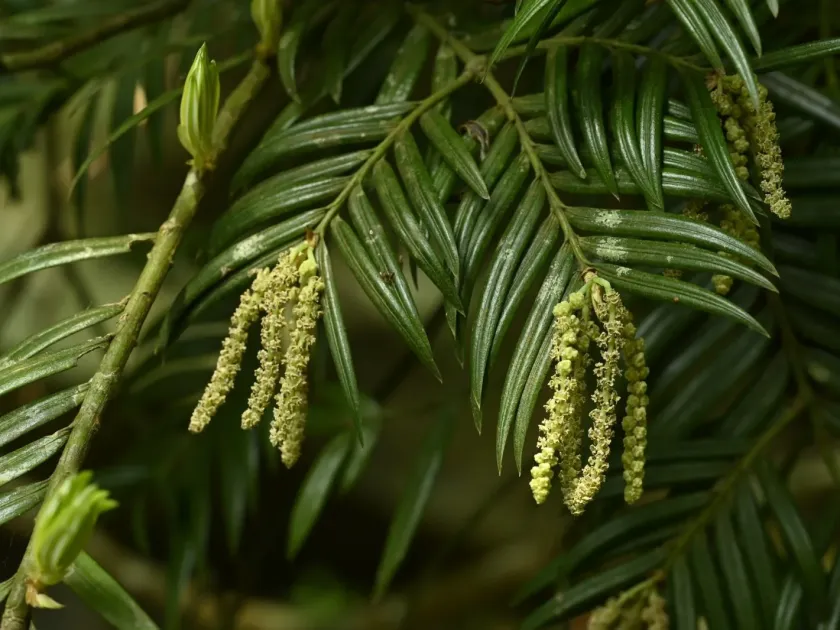
Amentotaxus formosana, commonly known as the Taiwan catkin yew, is a rare evergreen coniferous species belonging to the Taxaceae family. It typically manifests as a slow-growing shrub or small tree, characterized by long, dark green leaves with distinct stomatal bands on the underside, creating a striking ornamental appearance.
The plant is native to the mountain regions of Taiwan, specifically thriving in moist subtropical forests at altitudes ranging from 700 to 1300 meters. Due to its natural habitat, it is strictly shade-tolerant and requires specific environmental conditions that simulate the forest floor microclimate to survive and grow.
Optimal soil requirements include well-draining, humus-rich substrates with a slightly acidic to neutral pH level. The root system is highly sensitive to waterlogging, making proper drainage and soil aeration critical factors for the long-term viability of the plant in cultivation.
Climatic preferences for Amentotaxus formosana involve high humidity and protection from harsh, drying winds or extreme temperature fluctuations. In temperate regions, it is best suited for cultivation in specialized greenhouses or shaded conservatories where moisture levels can be strictly monitored and maintained.
Host-plant utility is primarily centered on conservation and botanical collections. As it is an endangered species in the wild, its role in agriculture is limited to specialized nursery production and educational research, emphasizing the need for sustainable propagation techniques.
Main diseases and pests
The primary threats to this species include fungal pathogens, particularly root rot induced by excessive moisture in the growing medium. Poor ventilation within the canopy can further exacerbate the development of leaf spot diseases, which can significantly defoliate the plant.
Common pests such as spider mites are a major concern, particularly when the ambient humidity drops below optimal levels. These insects target the needles, leading to chlorosis and stunted growth, which is particularly detrimental to a species already characterized by a slow growth rate.
Environmental pollution is a limiting factor for its use in urban settings, as the plant is highly sensitive to atmospheric contaminants. Exposure to exhaust fumes or particulate matter often results in needle necrosis and a decline in overall plant vigor.
Managing the health of Amentotaxus formosana requires a proactive approach to sanitation, including the regular removal of dead foliage and the application of balanced, slow-release fertilizers that do not shock the sensitive root system.
Strategic positioning is essential to mitigate stress; providing adequate shade is not merely for aesthetic purposes but a biological necessity to prevent photo-inhibition and temperature-related damage to the foliage during the peak of the growing season.