
Amentotaxus argotaenia
Amentotaxus argotaenia
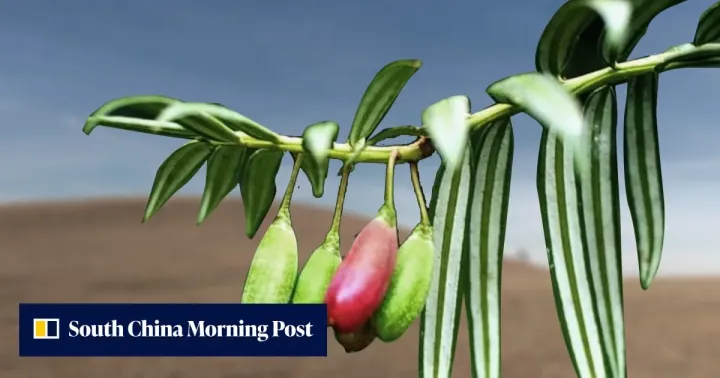
Description
Growing requirements
Amentotaxus argotaenia is a rare evergreen coniferous shrub or small tree belonging to the Taxaceae family. It is native to the subtropical mountainous forests of China, Vietnam, and Laos, where it typically grows in the understory of dense forests.
The cultivation of this plant requires specific microclimatic conditions, focusing on partial shade and high ambient humidity. It is highly sensitive to direct sunlight, which can easily damage its foliage, especially in warmer climates.
Soil requirements are centered on excellent drainage and a slightly acidic pH level. A loose, nutrient-rich substrate composed of loam, peat, and leaf mold is ideal for healthy root development and maintaining consistent moisture levels.
Watering should be managed carefully to ensure the soil remains moist but never waterlogged. Since Amentotaxus grows slowly, the plant benefits from a stable environment, making it a popular choice for protected garden zones or climate-controlled greenhouses.
In terms of usage, Amentotaxus argotaenia is primarily grown as an ornamental plant in botanical collections or specialized landscaping projects. Its flattened, dark green leaves with distinctive silver-white stomatal bands make it a visually striking addition.
Main diseases and pests
The most common health issues for Amentotaxus include root rot, which typically occurs when the planting substrate is too heavy or when the irrigation system provides excessive moisture without proper drainage.
Spider mites represent a major pest threat, especially in conditions where air humidity drops significantly. These pests can cause the needles to turn yellow or brown and eventually drop off, significantly reducing the plant's decorative value.
Scale insects can also attach themselves to the stems and branches. These pests extract sap from the plant, leading to stunted growth and providing entry points for secondary fungal infections that can be difficult to treat.
Fungal pathogens in the soil can trigger damping-off in seedlings or wilt in older plants. Applying professional fungicides as a preventative measure during high-risk seasons is a standard agricultural practice for this species.
Maintaining proper hygiene by removing dead or dying branches helps to minimize the spread of pests and diseases. Ensuring good air circulation around the canopy is essential to discourage the development of mold and mildew on the foliage.