
Aglaia tomentosa
Aglaia tomentosa
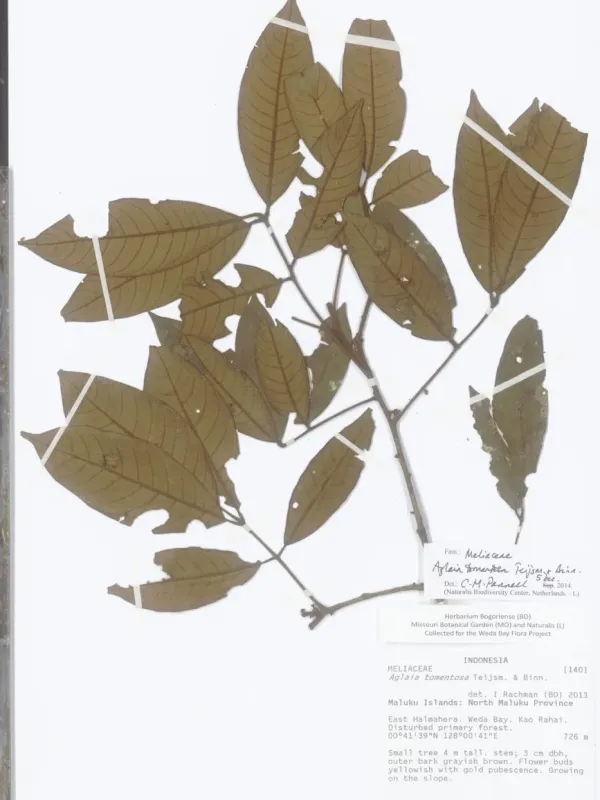
Description
Growing requirements
Aglaia tomentosa is a notable member of the Meliaceae family, known for its distinct tomentose (hairy) appearance on young shoots and foliage. It naturally inhabits the tropical forests of Southeast Asia and parts of the Pacific.
The plant thrives in regions with consistent rainfall and high humidity levels. It prefers deep, nutrient-rich soils that facilitate deep root penetration, provided that the drainage remains excellent to prevent waterlogging.
For successful cultivation, Aglaia tomentosa requires a tropical climate with temperatures rarely dropping below 15°C. It serves both ecological and industrial purposes, including timber production and local medicinal use.
Botanically, it features pinnate leaves and small, fragrant flowers often arranged in paniculate inflorescences, making it a point of interest for both forestry and ornamental applications.
Proper spacing is crucial when planting this species in an agroforestry setting to ensure that each individual has access to sufficient sunlight and proper airflow across the canopy.
Main diseases and pests
The primary pest threats to Aglaia tomentosa include defoliating insects that can significantly reduce the photosynthetic capacity of the tree if left uncontrolled.
Root pathogens represent a critical threat, especially in soils that lack proper aeration or suffer from water retention issues. These often lead to decay that is difficult to treat once established.
Fungal infections of the branches can occur in overly humid conditions where canopy density is too high, promoting an environment conducive to spore spread.
Integrated Pest Management (IPM) strategies are recommended, focusing on the use of biological controls to keep harmful insect populations below economic injury levels.
Regular maintenance, including the removal of dead or diseased wood, is a fundamental agronomic practice to safeguard the health and longevity of the plantation.