
Aglaia silvestris
Aglaia silvestris
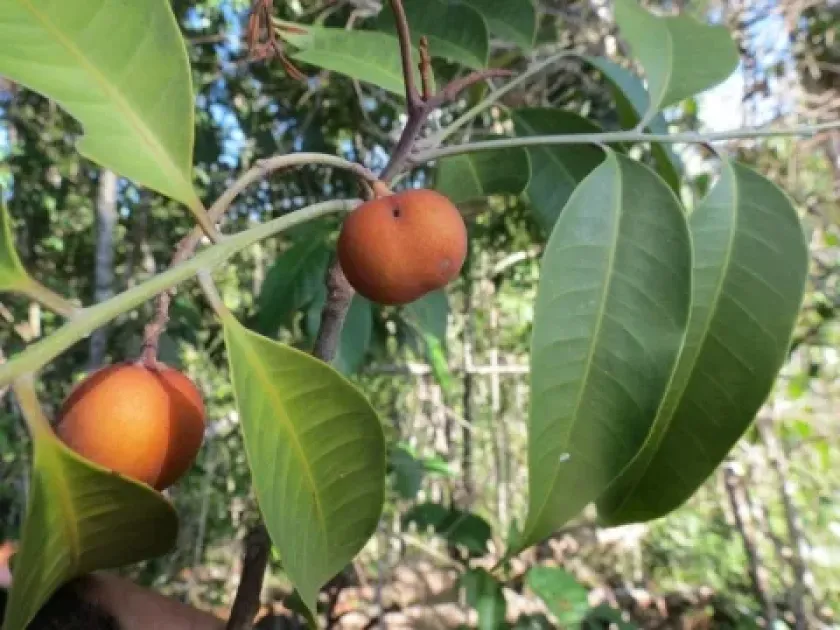
Description
Growing requirements
Aglaia silvestris is a notable member of the Meliaceae family, widely recognized for its robust growth habit in tropical forest ecosystems. It is a large evergreen tree native to the diverse landscapes of Southeast Asia, thriving in lowland rainforest environments.
The species requires a specific microclimate characterized by high humidity and consistent tropical temperatures. For optimal productivity, the soil must be deep, fertile, and possess excellent drainage to support the long-term vitality of the root system.
Botanically, the tree is characterized by its complex pinnate leaves and dense, high-quality timber. It adapts well to the structural layers of the forest, transitioning from shade-tolerant saplings to canopy-dominant adults that require significant vertical space.
Agronomic management of this crop involves long-term reforestation practices. Planting density must be carefully calculated to ensure adequate airflow and light penetration, which helps in maintaining the health of the individual trees throughout their development cycle.
The primary economic value of Aglaia silvestris lies in its timber, which is prized for its durability and resistance to biological decay. It is extensively utilized in fine woodworking, heavy construction, and the production of specialized interior materials.
Yield
Yield estimation for Aglaia silvestris is measured by the cubic volume of timber produced per cycle. Due to the tree's slow-growing nature, the yield is calculated on a multi-decadal horizon, emphasizing sustainable management over rapid turnover.
Main diseases and pests
The species faces pressure from various wood-boring insects that can undermine structural integrity. Additionally, fungal infections often occur in environments where humidity levels are excessively high and air circulation is insufficient, leading to root distress.