
Aglaia sapindina
Aglaia sapindina
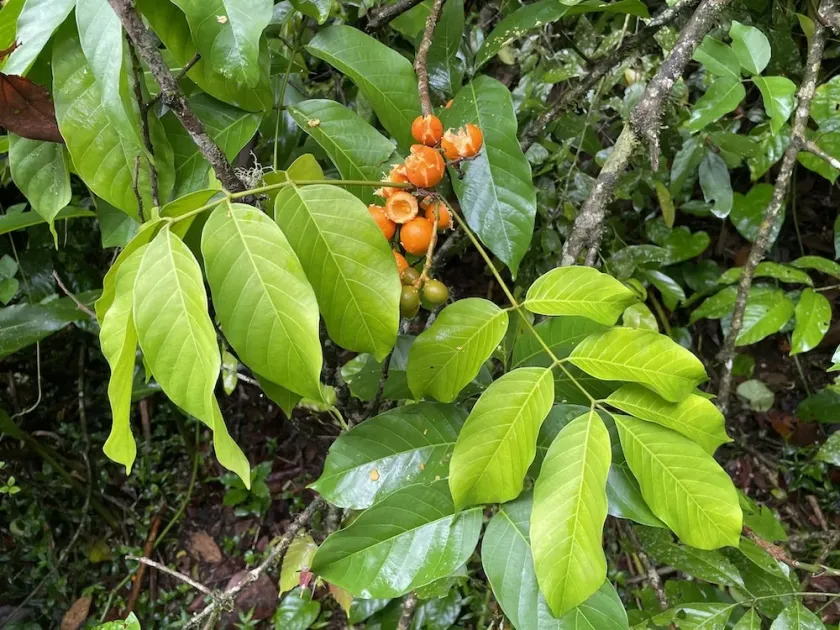
Description
Growing requirements
Aglaia sapindina belongs to the family Meliaceae. It is a large evergreen tree species native to the tropical rainforests of Southeast Asia and the Pacific, where it plays a critical role in maintaining forest structure and ecological balance.
The species requires a tropical climate characterized by consistently high temperatures and significant rainfall throughout the year. It does not tolerate prolonged frost or dry spells, making its natural range strictly confined to humid lowland and foothill zones.
Soil requirements for this species include nutrient-rich, deep, and well-drained loamy soils. It thrives in environments where organic matter accumulation is high, mimicking the natural floor conditions of its native jungle habitats.
Agro-technical management involves maintaining proper spacing between individual trees to ensure adequate air circulation and light penetration, which are essential for preventing wood decay and promoting straight trunk development.
The primary economic use of the species is in the forestry sector, where its timber is harvested for high-quality wood production. The wood is prized for its durability and resistance, making it suitable for construction and furniture manufacturing.
Main diseases and pests
The tree is susceptible to various fungal pathogens that affect the bark and vascular system, particularly if grown in poorly drained soils. Managing site water levels is the most effective preventative measure against root rot diseases.
Pest threats include wood-boring insects and leaf-defoliating caterpillars that can compromise the health of young stands. Integrated pest management strategies, involving regular monitoring and the removal of infested plant parts, are recommended for maintaining plantation health.