
Aglaia odoratissima
Aglaia odoratissima
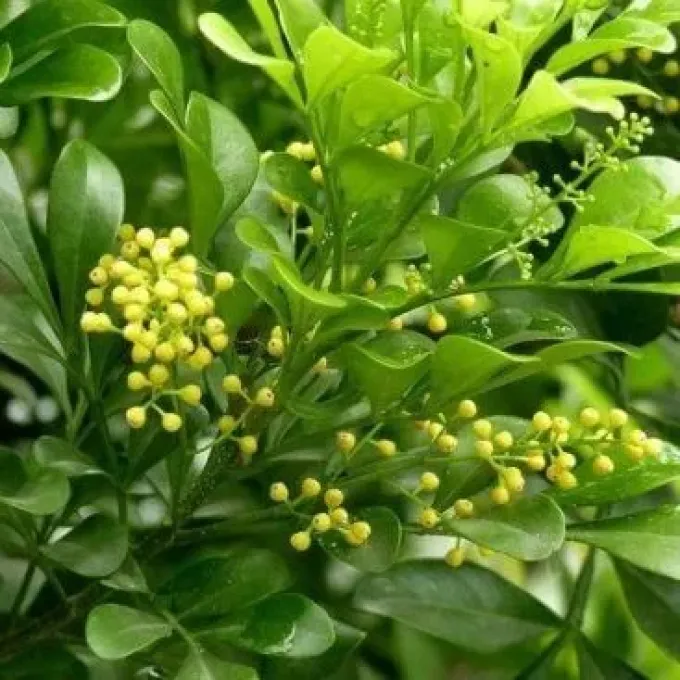
Description
Growing requirements
Aglaia odoratissima is an evergreen woody species belonging to the Meliaceae family. Native to the tropical rainforests of Southeast Asia, including countries like Indonesia, Malaysia, and the Philippines, it thrives in dense, warm environments.
This species requires a tropical climate with consistently high temperatures throughout the year. It lacks cold hardiness and must be cultivated in frost-free regions or controlled environments such as greenhouses to prevent frost damage to its foliage.
The plant performs best in deep, fertile, well-draining soils. Proper soil aeration is essential, as the roots are sensitive to waterlogging, which can lead to rapid decline in plant health if the drainage is not sufficient.
Maintaining high atmospheric humidity is crucial for the optimal growth of Aglaia odoratissima. In cultivation, protecting the plant from intense, direct sunlight while it is young is recommended, though it can tolerate more exposure as it matures.
The economic value of this crop is primarily linked to its flowers. The blossoms release a potent, pleasant fragrance often compared to citrus or tea, making the plant a target for commercial interest in the perfumery and cosmetic sectors.
Main diseases and pests
Common pests affecting Aglaia odoratissima under glass or in tropical gardens include spider mites and scale insects. Maintaining hygiene and adequate humidity levels is the primary cultural method for preventing these infestations.
Root rot is the most significant pathological threat to the crop, usually stemming from over-irrigation or heavy, compacted soil. Effective management requires precise water regulation and the use of well-structured growing substrates to avoid anaerobic conditions.