
Aglaia lawii
Aglaia lawii
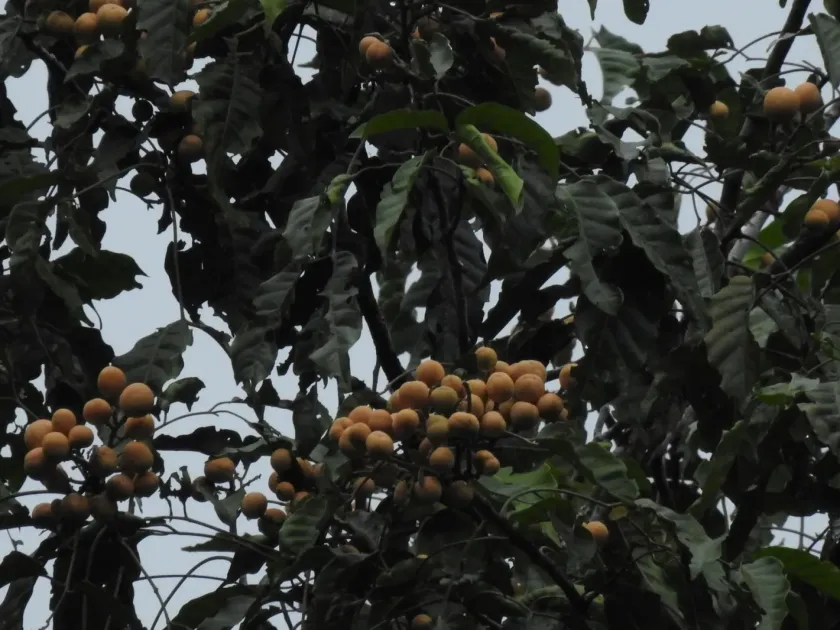
Description
Growing requirements
Aglaia lawii is a plant belonging to the Meliaceae family. It is an evergreen tree that reaches significant heights in its natural habitat, forming a dense and robust canopy. As a representative of tropical flora, it is specifically adapted to the high temperatures and consistent climate of tropical zones.
The plant thrives in humid tropical forests where rainfall is abundant and temperatures remain stable year-round. It is highly sensitive to temperature fluctuations and cannot withstand frost, which restricts its cultivation range to equatorial and tropical geographical regions.
For optimal growth, the species requires fertile, well-drained soils with a pH level ranging from neutral to slightly acidic. It is crucial to avoid areas prone to waterlogging, as the root system is susceptible to decay if exposed to excessive moisture for prolonged periods.
Aglaia lawii prefers bright, indirect light; however, during the early stages of establishment, seedlings often require partial shade to protect them from direct, scorching sun. In forest management, the species demonstrates strong competitive abilities within the vertical structure of tropical forest ecosystems.
Agricultural and silvicultural techniques focus on initial site selection and monitoring. Weed control during the early years of sapling growth is essential for survival, but once established, the tree requires minimal intervention, making it a sustainable choice for tropical forestry projects.
Harvesting
The primary economic use of Aglaia lawii is the extraction of its valuable timber. Known for its durability and structural integrity, the wood is highly sought after for high-quality carpentry, furniture manufacturing, and local construction applications in its native range.
In traditional medicine systems across Southeast Asia, various parts of the tree, such as the bark and leaves, have been utilized. Scientific studies have identified specific bioactive compounds within the plant, which are currently being explored for potential pharmaceutical applications.
Seed collection is primarily managed for forest restoration and nursery propagation. While not typically a mass-produced agricultural crop, the tree is propagated in specialized nurseries to support reforestation efforts and maintain population levels in disturbed habitats.
Harvesting timber is conducted according to sustainable forestry principles. Selective logging is the preferred method, ensuring that the ecological structure of the forest remains intact while providing a steady supply of timber over the long term.
Beyond its economic utility, Aglaia lawii plays a vital role in maintaining biodiversity. The tree serves as a critical habitat and food source for various tropical fauna, making it an essential component of the ecosystems where it naturally occurs.