
Siphonochilus kirkii
Siphonochilus kirkii
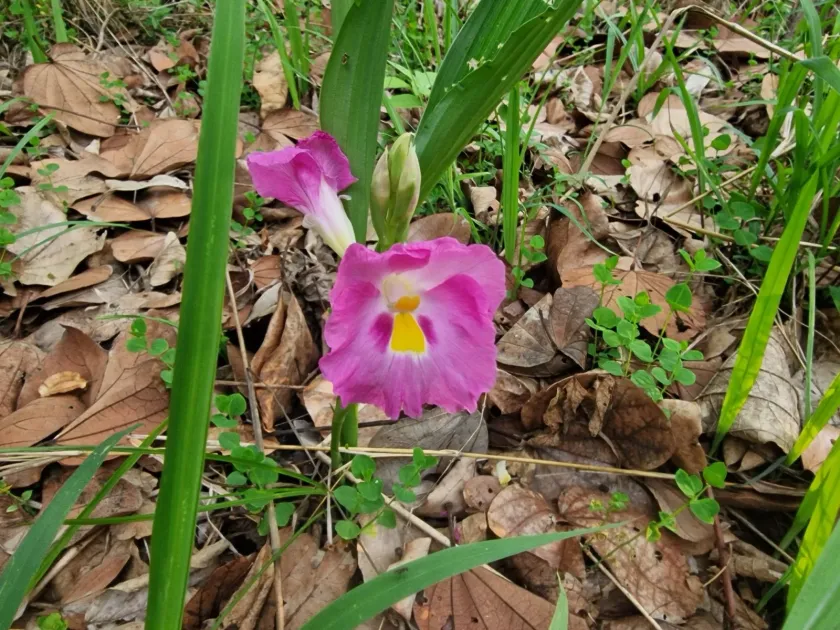
Description
Growing requirements
Siphonochilus kirkii is a perennial herbaceous plant belonging to the Zingiberaceae family. Native to tropical regions of Africa, this plant is well-adapted to environments that offer specific moisture levels and seasonal temperature variations.
The plant features a prominent subterranean rhizome that serves as a storage organ for energy. During the active growing season, it produces leafy stems and distinctive, showy flowers that emerge from the rhizome, making it a unique member of the ginger group.
Optimal growth requires loose, well-draining soil that is rich in organic matter. Soil management is crucial, as the rhizomes are susceptible to rot if they are left in waterlogged conditions for extended periods throughout the year.
The climate requirements for Siphonochilus kirkii involve warm temperatures and a preference for filtered sunlight. While it can handle some exposure, it performs best in environments that provide moderate shade, similar to its native forest floor habitat.
Agronomic practices should focus on maintaining consistent soil moisture during the active growing phase. Once the plant enters dormancy, reducing irrigation is vital to ensure the rhizomes remain healthy and dormant until the next cycle begins.
Harvesting
The primary agricultural interest in Siphonochilus kirkii lies in its aromatic and medicinal rhizomes. It has been used for generations as a traditional spice and in various ethnomedicinal applications to support health.
Harvesting is typically performed after the aerial parts of the plant have withered. This timing ensures that the plant has translocated its maximum energy reserves into the rhizome, ensuring a higher quality and concentration of active compounds.
Post-harvest processing involves carefully cleaning the rhizomes to remove soil, followed by drying. Drying is a delicate phase that must be managed to prevent degradation of the volatile oils that provide the plant's characteristic scent and flavor.
Commercial potential for this crop lies in the extraction of specialized essential oils. These extracts are researched for their unique biochemical profiles, which have potential applications in both the cosmetic and pharmaceutical industries.
Storage is the final critical step in maintaining the market value of the crop. Keeping the dried rhizomes in a cool, dry, and dark environment is essential to prevent the loss of potency and to protect the stored biomass from biological pests.