
Siphonochilus aethiopicus
Siphonochilus aethiopicus
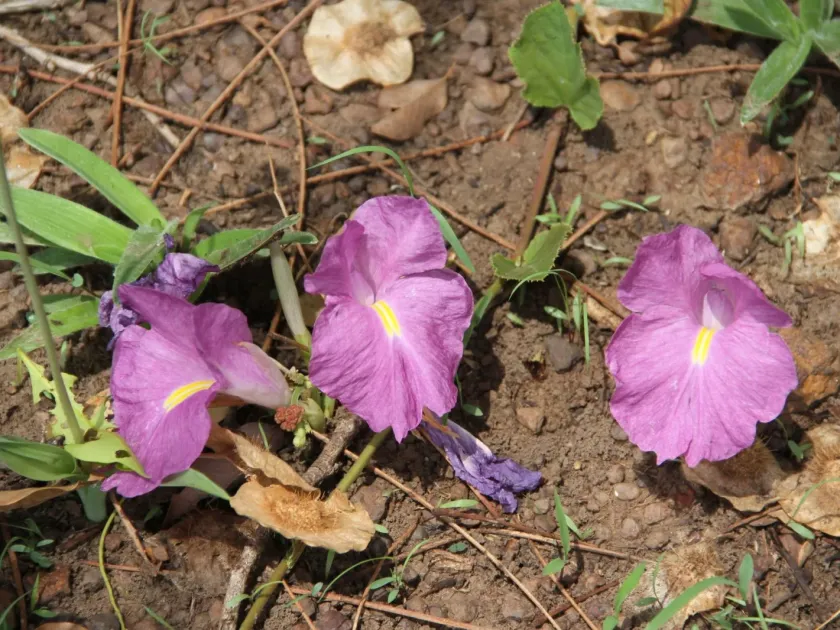
Description
Sowing dates
Siphonochilus aethiopicus is an aromatic plant belonging to the Zingiberaceae family. Propagation is primarily performed vegetatively by dividing mature, fleshy rhizomes during the dormancy period.
Planting typically occurs at the onset of the rainy season to ensure sufficient moisture for bud sprouting. In intensive cultivation, rows are spaced to provide adequate room for rhizome expansion.
Seeds can also be used for propagation, though they require specific pre-sowing treatments to break dormancy. Seedlings are often started in protected nurseries before transplanting to the field.
The planting depth should be approximately 5 to 8 cm, ensuring that the rhizome segments are well-covered by loose, fertile soil. Proper spacing minimizes competition between plants.
After planting, a layer of mulch is highly recommended to regulate soil temperature and moisture. This mimics the plant's natural environment and promotes a more uniform stand emergence.
Growing requirements
This crop thrives in tropical and subtropical climates. It requires a distinct growing season with sufficient rainfall and a marked dry season to complete its life cycle effectively.
Well-drained, sandy loam soils are ideal for the development of healthy rhizomes. Soil should be rich in organic matter to provide the necessary nutrients for vigorous growth.
The plant enjoys full sun to partial shade. Excessive shade can lead to elongated, weak stems, while full exposure requires careful management of irrigation to prevent heat stress.
Watering must be frequent during the active vegetative stage but completely withheld during dormancy. Maintaining a precise water balance is the most critical aspect of the plant's agronomy.
Organic fertilization, such as well-rotted compost, is preferred to maintain soil structure. High-quality soil management prevents compaction, which is essential for rhizome growth.
Main diseases and pests
The main threats to this crop include soil-borne pests like nematodes that target the root system. Crop rotation with non-host plants is the most effective way to manage these infestations.
Root rot caused by fungal pathogens is a significant risk in waterlogged soils. Ensuring good field drainage is the primary defense strategy against these diseases throughout the growing season.
Leaf-eating pests might occur but generally do not kill the plant unless the infestation is severe. Integrated pest management strategies should focus on biological control first.
Viral diseases can be transmitted through contaminated tools or infested planting material. Sanitation of all farming equipment is essential for maintaining a healthy and productive crop.
Weed management is crucial during the early stages of growth when the plants are susceptible to competition. Mechanical hoeing or hand weeding is typically required to keep the area clean.
Harvesting
Harvesting takes place once the aerial parts of the plant naturally wither and dry out. This natural senescence is the best indicator that the rhizomes have reached their full potential.
The rhizomes are carefully unearthed using manual tools to avoid cuts and bruises. Any damage to the skin of the rhizome can significantly decrease its shelf life and market value.
Post-harvest processing involves thorough cleaning and separation of the rhizomes. Damaged or diseased parts must be discarded immediately to avoid contamination of the healthy harvest.
Drying is a critical step that should be performed in a cool, well-ventilated area. Controlled drying temperatures help preserve the volatile oils and active medicinal compounds within the tissue.
Stored rhizomes should be kept in breathable containers in a dry, dark place. Consistent monitoring of storage conditions prevents moisture buildup and protects the crop from pest attacks.