
Globba winitii
Globba winitii C. H. Wright
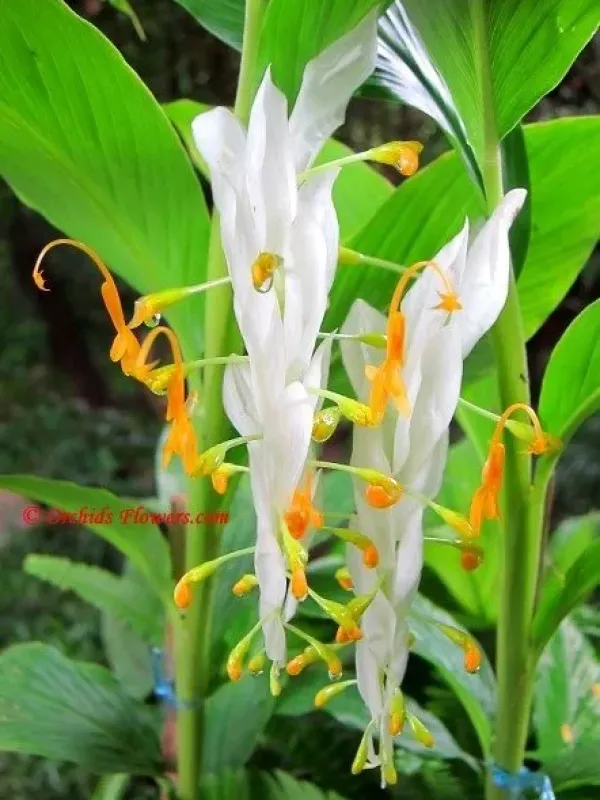
Description
Growing requirements
Globba winitii, commonly known as the Dancing Ladies Ginger, is an ornamental perennial belonging to the Zingiberaceae family. Native to Thailand, this species is highly valued for its drooping inflorescences and vibrant, long-lasting bracts that give it a unique appearance.
To cultivate Globba winitii successfully, one must provide a rich, well-draining soil medium, typically a mixture of peat, perlite, and organic compost. The soil should remain consistently moist but never waterlogged to prevent rhizome decay.
The plant thrives in bright, indirect light conditions. Direct sunlight is generally too intense and can scorch the delicate foliage, while low-light conditions may result in leggy stems and reduced flowering capability.
High humidity is essential for the healthy development of this tropical plant. Ideally, the environment should maintain a humidity level above 70%, which can be achieved through regular misting or using a tray of water and pebbles placed under the pots.
The life cycle involves an active growing season during warm months and a distinct dormant period in winter. During dormancy, the foliage dies back completely, and the rhizomes should be kept in a dry, cool location until spring growth resumes.
Main diseases and pests
Spider mites are the most common pest problem for Globba winitii, particularly when kept in indoor environments with low humidity. They thrive on the underside of leaves, causing yellowing and webbing if left unchecked.
Mealybugs and aphids can also infest the stems and leaves, extracting plant sap and weakening the overall vigor of the ginger. Regular monitoring and the application of insecticidal soaps or neem oil are effective control measures.
Root rot, caused by fungal pathogens such as Pythium or Rhizoctonia, poses a significant threat if drainage is inadequate. This condition is often fatal and can spread rapidly through the rhizome cluster during the dormant phase.
Fungal infections can be minimized by ensuring proper air circulation around the plants and avoiding overhead irrigation during cooler evening hours. Maintaining sanitary growing conditions is crucial for preventing the spread of spores.
Environmental stress, such as exposure to cold drafts or rapid temperature fluctuations, can render the plant more susceptible to opportunistic diseases. Keeping the plant in a stable environment is key to maintaining long-term health.