
Cautleya spicata
Cautleya spicata
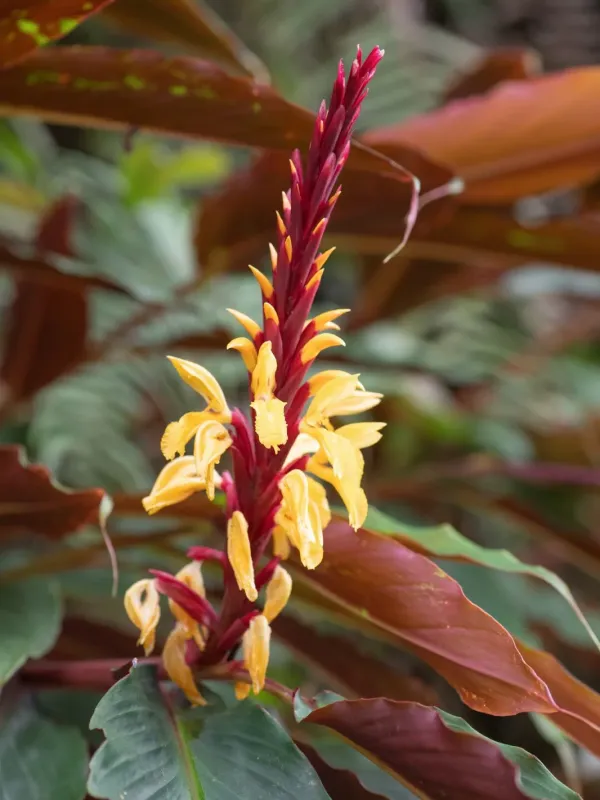
Description
Sowing dates
Propagation of Cautleya spicata is most effectively achieved through the division of rhizomes, which should be performed during the early spring season.
The rhizomes are carefully dug up and separated, ensuring that each new division has at least one or two healthy growth buds for successful regeneration.
When sowing seeds, it is critical to use freshly harvested material as the seeds lose viability quickly if stored for an extended period.
Planting in the open field requires careful placement of the rhizomes at a depth of approximately 5 to 10 centimeters to protect them from frost.
Spacing is a vital component of cultivation; planting with a grid of 40 centimeters ensures enough room for the plant to thrive throughout the season.
Growing requirements
Cautleya spicata belongs to the Zingiberaceae family and thrives in conditions that mimic its natural habitat in the humid mountain regions.
The plant requires a sheltered location with partial shade, as exposure to harsh, direct sunlight can cause rapid dehydration and leaf damage.
A high-quality, organic-rich soil with excellent drainage is essential to prevent the accumulation of stagnant water around the rhizome system.
Consistent moisture is key during the growing season, necessitating regular irrigation without waterlogging the surrounding soil environment.
Mulching the soil surface helps to regulate ground temperature and moisture levels, protecting the shallow roots of the plant from stress.
Main diseases and pests
Root rot caused by fungal pathogens is the most significant threat to this culture, usually associated with poorly drained or waterlogged soils.
Spider mites can be a persistent problem, especially in environments where humidity levels fall below the plant's requirements for healthy growth.
Poor ventilation within dense plantings creates a microclimate conducive to the development of mold and mildew on the plant foliage.
Integrated pest management strategies, including regular inspections and the use of organic deterrents, are highly recommended for healthy crops.
Ensuring adequate air circulation between individual plants is a primary preventive measure against the spread of various leaf-spotting diseases.