
Cautleya robusta
Cautleya robusta
Description
Growing requirements
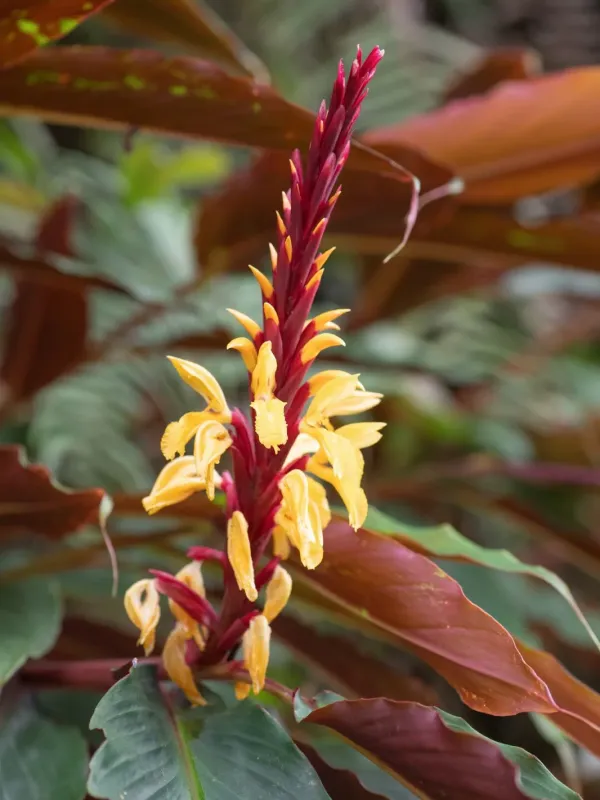
Cautleya robusta is a perennial herbaceous plant belonging to the Zingiberaceae family. It is recognized for its striking yellow flowers and robust, lush foliage, making it a desirable species for botanical collections.
Originating from the forest floors of the Himalayas, this plant thrives in environments that mimic its natural habitat. It prefers dappled sunlight or semi-shaded locations where the intensity of light is filtered by tree canopies.
The ideal soil for Cautleya robusta is a moisture-retentive, yet free-draining medium rich in organic matter. Incorporating leaf mold or compost is highly recommended to improve soil structure and nutrient availability.
Climatic requirements involve moderate temperatures during the growing season and protection from harsh frost during the winter. In colder regions, the rhizomes should be lifted and stored in a cool, dry place until spring.
Watering management is crucial for this crop, as it requires consistent moisture during the peak growing months. However, care must be taken to prevent waterlogging, which is a common cause of rhizome decay in this species.
Main diseases and pests
Fungal pathogens represent the most significant threat to Cautleya robusta, primarily targeting the rhizomes when the soil remains too wet for extended periods. Sanitation and proper irrigation are the first lines of defense.
Spider mites are a common pest in indoor environments or areas with low humidity, often colonizing the underside of leaves. Maintaining high ambient humidity or using a gentle spray of water helps keep these populations in check.
Aphids can infest the inflorescences and succulent new growth, potentially transmitting plant viruses. Manual removal or the application of organic insecticidal soaps is usually sufficient to manage minor infestations.
Root-knot nematodes can severely affect the vigor of the plant by disrupting nutrient uptake through root damage. Using fresh, pathogen-free growing media is the best prophylactic measure against these soil-borne pests.
Poor ventilation can lead to the development of powdery mildew on foliage, especially during periods of high humidity and moderate temperatures. Ensuring adequate airflow around the plants helps prevent the spread of fungal spores.