
Cautleya hybrid
Cautleya hybrids
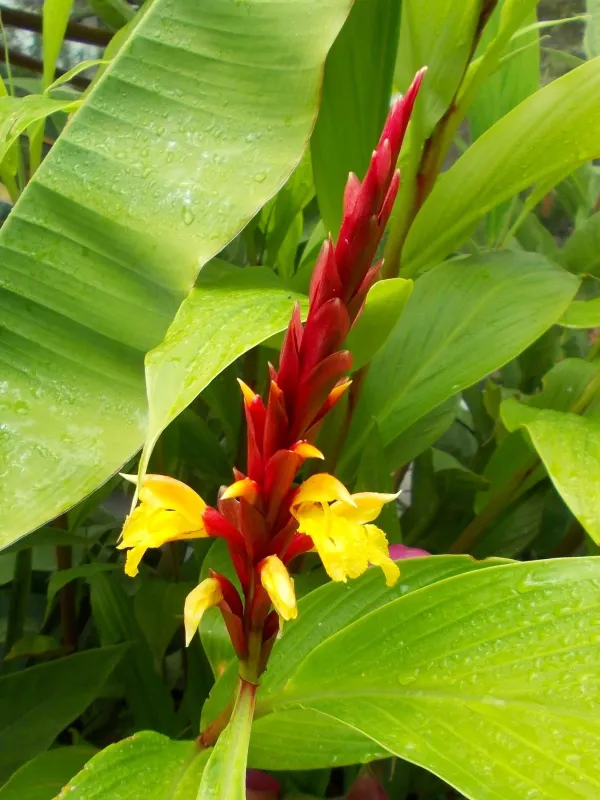
Description
Growing requirements
Cautleya hybrids are ornamental herbaceous perennials belonging to the Zingiberaceae family. Originating from the Himalayan region, these plants are prized by gardeners for their exotic appearance and resilience in temperate climates compared to other tropical relatives.
The plant features distinct, lance-shaped leaves and tall, showy inflorescences that emerge in late summer. Botanically, it propagates through rhizomes, which remain dormant underground during the winter months, allowing the plant to survive in cooler environments.
When selecting a site, prioritize well-drained, humus-rich soil. Cautleya thrives in organic-heavy substrates that hold moisture but do not allow for waterlogging, as the rhizomes are prone to rotting in stagnant, heavy, or clay-based soils.
Light requirements involve bright, indirect sunlight. While they can tolerate some morning sun, exposure to intense, direct afternoon heat often results in leaf scorching. Ideally, plant them under the dappled shade of trees or in north-facing garden beds.
Climate adaptation is essential for these plants. During the growing season, consistent moisture and high humidity are necessary for lush foliage development. In winter, mulch the rhizome zone heavily to protect against freezing temperatures if grown in temperate zones.
Main diseases and pests
Spider mites are the most common pests affecting Cautleya, especially during dry spells or in greenhouse conditions. Increasing atmospheric humidity through frequent misting is a primary strategy for preventing and controlling mite infestations.
Root rot is a significant threat caused by overwatering or poor drainage systems. Symptoms include yellowing leaves and a general decline in plant vigor. If suspected, inspect the rhizomes and remove any decayed tissue before replanting in fresh, sterile media.
Mealybugs may colonize the leaf axils, creating white, cotton-like masses. Infestations can be managed by manually wiping the affected areas with an alcohol-soaked cloth or by applying systemic insecticides specifically approved for ornamental plants.
Slugs and snails often feed on the emerging succulent shoots during early spring. Protecting the plants with physical barriers or non-toxic baits is crucial to ensure the survival of the young growth during the initial stages of the growing season.
Viral infections can sometimes occur, manifesting as mosaic patterns or stunting of the growth. Since these infections are systemic and incurable, sanitation—removing and disposing of infected plant material—is the only way to safeguard the surrounding plants.