
Cautleya gracilis
Cautleya gracilis
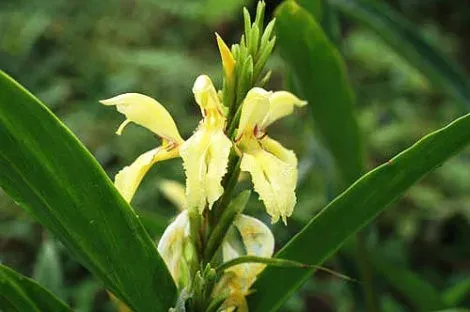
Description
Growing requirements
Cautleya gracilis is a perennial herbaceous plant belonging to the Zingiberaceae family. Native to the Himalayas and parts of Southeast Asia, this plant is valued for its unique inflorescences and structural foliage.
The plant thrives in partial shade, mimicking the forest floor conditions of its native habitat. Exposure to direct afternoon sunlight should be avoided to prevent foliar scorching and dehydration of the plant.
Soil requirements dictate a well-draining, nutrient-rich potting medium. A mixture of peat-based compost with added perlite or grit is ideal to ensure adequate aeration around the rhizomes.
Consistent moisture is essential during the active growing season. However, the root zone must not become waterlogged, as this leads to rapid decay of the fleshy rhizomes characteristic of the genus.
This species is not frost-hardy and requires a protected environment during winter. It is typically managed as a container plant in temperate climates, allowing it to be moved to a frost-free indoor location during the cold months.
Main diseases and pests
The most common threats to Cautleya gracilis include fungal root rot pathogens, which often colonize the rhizomes when the plant is subjected to poor drainage or overly compacted soil conditions.
Leaf-spot diseases may occur if the foliage remains wet for extended periods in environments with poor air circulation, necessitating better spacing or ventilation strategies.
Pest issues are primarily centered on sap-sucking insects, such as spider mites and scale insects, which can quickly proliferate in dry indoor environments during the dormant or early growth phases.
Integrated pest management, including periodic inspections and the application of mild horticultural oils, is recommended to keep pest populations at manageable levels without harming the plant.
Proactive care, such as ensuring proper sanitation of gardening tools and pots, is critical to preventing the spread of soil-borne diseases that frequently impact sensitive rhizomatous plants like Cautleya.