
Burbidgea stenantha
Burbidgea stenantha
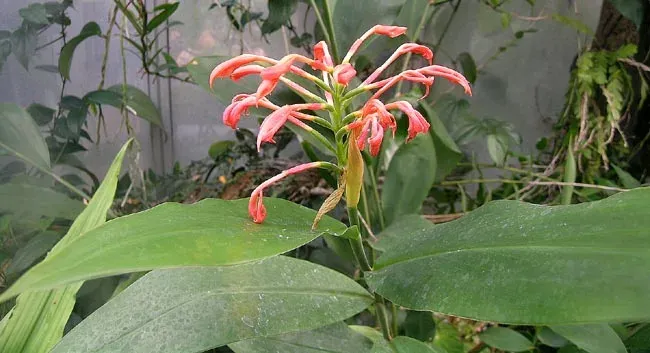
Description
Growing requirements
Burbidgea stenantha is an exotic herbaceous perennial belonging to the Zingiberaceae family. Native to the tropical rainforests of Borneo, it requires specific environmental conditions to thrive successfully in a managed or horticultural setting.
The plant demands high ambient humidity and consistent warmth to maintain its physiological functions. It is best suited for greenhouses or indoor environments where climate control can prevent stress caused by dry air or sudden temperature fluctuations.
Soil requirements for this species focus on drainage and organic composition. A porous, well-draining potting medium rich in organic matter, such as peat or coco coir mixed with perlite, is essential to prevent waterlogged roots.
Regarding light, Burbidgea stenantha prefers bright, filtered sunlight. Exposure to direct midday sun must be avoided, as it can easily scorch the leaves and significantly reduce the visual appeal and health of the plant.
Watering frequency should be adjusted based on the growth stage and the ambient temperature. It is critical to keep the substrate consistently moist but never waterlogged, ensuring adequate aeration for the sensitive root system.
Harvesting
The primary economic and horticultural use of Burbidgea stenantha is as a collector's specimen and ornamental plant. Its unique, slender flowers make it a highly desirable addition to tropical conservatories and specialized collections.
Propagation is typically performed by dividing mature rhizomes. This practice is standard for maintaining the plant population and ensuring that the genetic traits are preserved while expanding the stock for botanical display.
The harvest or maintenance phase requires careful handling of the rhizomes. Tools should be sanitized prior to division to ensure that no pathogens are introduced into the plant tissues, which are prone to decay if infected.
Quality control in cultivation involves monitoring the plant for signs of nutritional deficiencies or pest pressure. Regular applications of balanced liquid fertilizers during the growing season help support robust vegetative and floral development.
Final considerations for cultivation include the periodic renewal of the growing medium. As the plant grows, it can become root-bound, requiring repotting to provide space and fresh nutrients for sustained healthy growth over several years.