
Burbidgea nitida
Burbidgea nitida
Description
Growing requirements
Burbidgea nitida is an evergreen herbaceous perennial belonging to the Zingiberaceae (ginger) family. Native to the tropical rainforests of Borneo, it thrives in warm, humid conditions under the canopy of larger trees, making it a specialized crop for controlled environments.
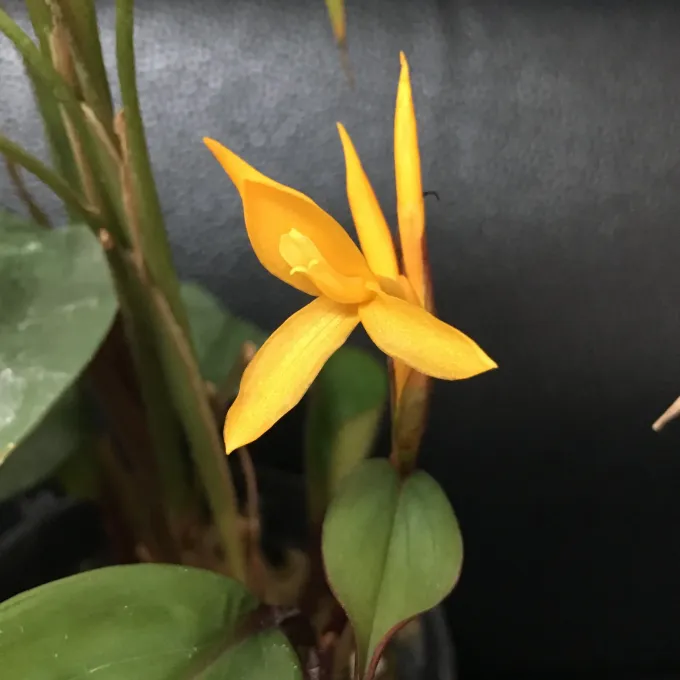
The plant is defined by its glossy, dark green lance-shaped leaves and distinct architectural growth habit. It grows from a rhizome, producing erect stems that carry terminal inflorescences featuring vibrant orange to golden yellow flowers, which serve as its primary ornamental feature.
Optimal growth requires consistent tropical temperatures, ideally between 22 and 28 degrees Celsius. Exposure to cold drafts or temperatures below 15 degrees Celsius can cause significant stress and damage to the plant tissue, leading to stunted growth or total plant failure.
Cultivation requires a well-draining, highly organic growing medium. A mix of peat moss, pine bark, and perlite is often recommended to ensure that moisture is retained while preventing root rot, which is the most significant physiological risk for this species.
The primary economic and horticultural use for Burbidgea nitida is within the nursery and ornamental trade. It is highly sought after by botanical gardens and private collectors for its aesthetic appeal and its status as a rare tropical botanical specimen.
Main diseases and pests
The primary threats to Burbidgea nitida in cultivation are fungal pathogens, specifically those causing root and crown rot, which proliferate in stagnant, overly wet substrate conditions.
Insect pests such as spider mites and mealybugs are the most frequent threats, particularly when indoor humidity levels drop below the requirements for a tropical rainforest plant.
Management of these threats involves a combination of environmental control, such as increasing humidity through misting, and the application of systemic pesticides if infestations occur.
Preventative care is essential, including the use of sterilized potting mixes and the isolation of new plants to prevent the introduction of pests or diseases into the collection.
Regular monitoring of leaf surfaces and soil moisture levels allows for early detection, which is critical for maintaining the health of this sensitive ornamental species.