
Amomum xanthophlebium
Amomum xanthophlebium
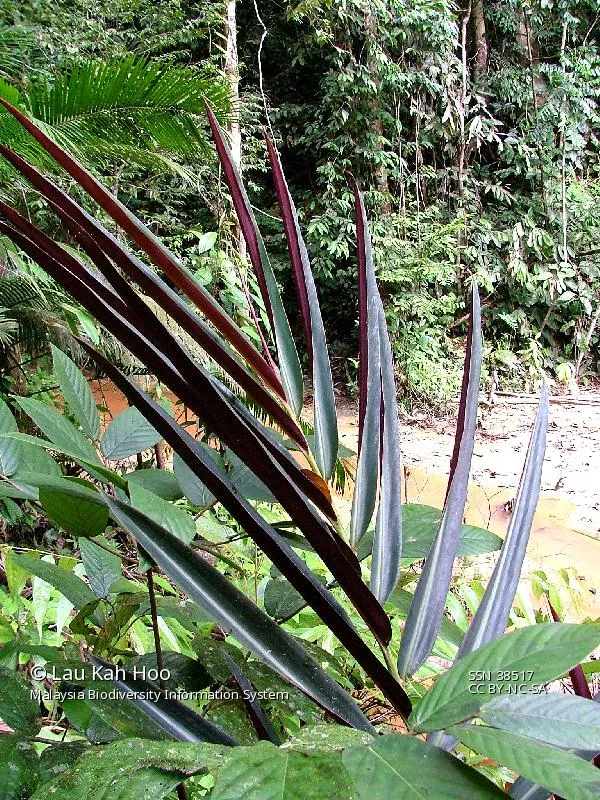
Description
Growing requirements
Amomum xanthophlebium is a perennial herbaceous plant belonging to the Zingiberaceae family. This tropical species is native to regions of Southeast Asia, where it thrives in humid and warm environmental conditions.
Botanically, the plant is distinguished by its robust rhizomes and large, lanceolate leaves featuring prominent yellowish veins. These distinctive leaf markings provide the plant with its specific taxonomic identification within the genus Amomum.
Climatic requirements are strict, necessitating a tropical environment with high atmospheric humidity and constant temperatures. Protection from direct sunlight is essential, as the plant naturally grows under the canopy of rainforest trees.
The soil must be well-draining, rich in organic matter, and slightly acidic to neutral in pH. Proper aeration is crucial to prevent the rhizomes from decaying due to stagnant moisture in the substrate.
Agricultural use of this culture focuses on the extraction of essential oils and the harvesting of aromatic rhizomes for culinary and medicinal purposes. It serves as a source of spices in various traditional Southeast Asian cuisines.
Main diseases and pests
The primary threats include fungal infections, specifically root rot, which is common in poorly drained soils. Excess humidity coupled with poor air circulation creates a perfect environment for pathogen proliferation.
Pests such as mites and nematodes pose significant challenges to commercial production. Integrated pest management strategies are often implemented to maintain plant health and ensure the quality of the harvested produce.