
Amomum subulatum
Amomum subulatum
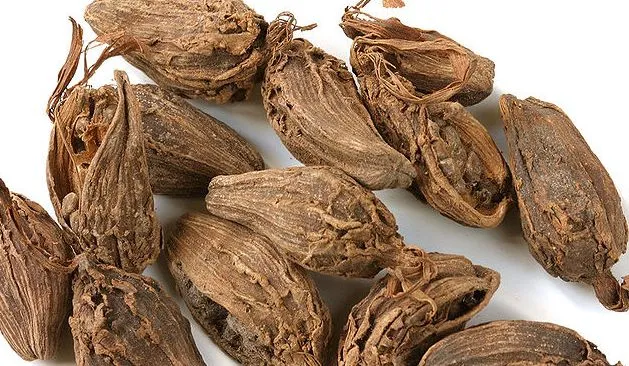
Description
Growing requirements
Amomum subulatum, commonly known as black cardamom, is a perennial plant belonging to the Zingiberaceae family. It is native to the humid mountainous regions of the Eastern Himalayas, thriving in countries like India, Nepal, and Bhutan.
This crop requires specific environmental conditions, including high humidity and shade. It grows best under forest canopies or in artificially shaded areas, as direct sunlight can cause significant damage to the foliage.
The soil should be fertile, well-draining, and rich in organic matter. Sloped terrain is ideal for this cultivation because it prevents waterlogging, which is detrimental to the plant's root system.
Temperature requirements for Amomum subulatum are relatively stable, with an ideal range of 15 to 25 degrees Celsius. The plant does not tolerate frost or extreme heat, making mountain microclimates perfect for its development.
Economically, this plant is cultivated primarily for its aromatic seed pods. These pods are used as a key spice in traditional cuisine and serve various medicinal purposes due to their concentrated essential oils.
Main diseases and pests
The most devastating threat to Amomum subulatum production is the viral disease known as "chirke". This virus causes yellow streaks on the leaves and severely stunts plant growth, often rendering a plantation unproductive.
Fungal pathogens such as rhizome rot and leaf blight are also common, particularly in plantations with poor drainage or stagnant air. These diseases can spread rapidly during the monsoon season.
Pests like aphids and various species of caterpillars attack the shoots and buds. Integrated pest management strategies, involving both biological and chemical controls, are necessary to protect the yield.
Plant sanitation is a critical aspect of farming; removing and destroying infected plants is the primary way to manage the spread of viral and fungal agents in the field.
Agronomists suggest maintaining proper spacing and ensuring adequate soil nutrition to boost the plant's natural resilience. Healthy, well-nourished plants are generally better at resisting opportunistic diseases.
Harvesting
Harvesting Amomum subulatum pods is a labor-intensive process, usually performed by hand once the pods reach their peak maturity. Signs of maturity include a dark brown color and a firm texture.
The traditional post-harvest treatment involves smoking the pods over open fires. This process not only preserves the seeds but also imparts the characteristic smoky flavor that distinguishes black cardamom from other varieties.
Modern processing methods involve oven-drying, which allows for better control over the final quality of the spice. This method helps maintain a cleaner product without sacrificing the desired aromatic profile.
Once dried, the pods must be cleaned and sorted based on size and quality. Proper sorting ensures premium pricing for high-grade spice in global markets.
To maintain quality, the dried pods are stored in moisture-proof packaging. Proper storage preserves the volatile oils, which are responsible for the intense fragrance and medicinal properties of the cardamom.