
Amomum micranthum
Amomum micranthum
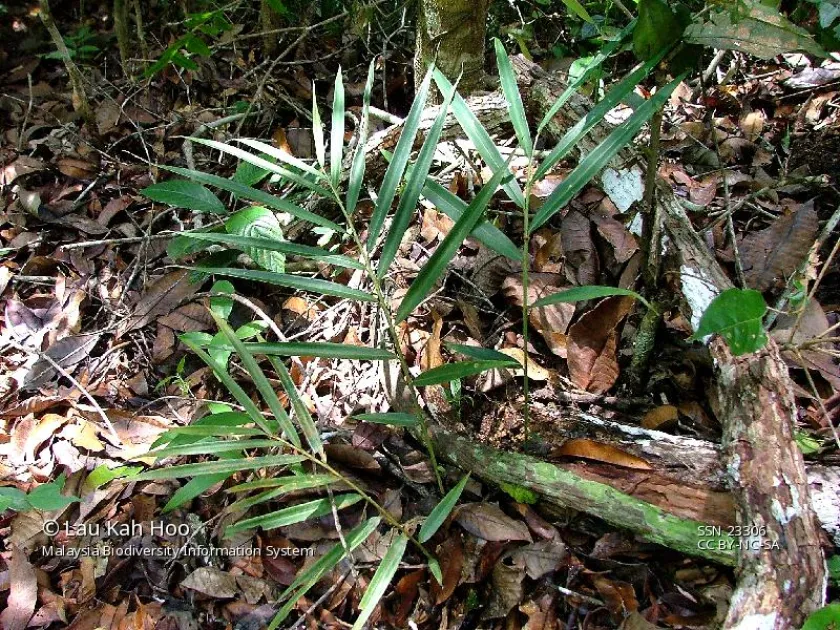
Description
Growing requirements
Amomum micranthum is a member of the Zingiberaceae (ginger) family, primarily native to the humid tropical forests of Southeast Asia. This perennial herbaceous plant is known for its aromatic properties and potential in spice production.
The crop requires fertile, well-draining soil rich in organic matter to thrive. Consistent soil moisture is essential; however, the root system is highly sensitive to waterlogging, which can cause rapid decay.
As an understory plant, it requires shaded conditions or dappled sunlight. Excessive direct sun exposure can severely damage its foliage, necessitating the use of artificial shade in open cultivation systems.
Ideal temperatures for growth range between 22 and 28 degrees Celsius. The crop is strictly tropical and does not tolerate frost or sustained cool temperatures below 15 degrees, which halt development.
Cultural practices involve steady nutrient management, focusing on nitrogen for vegetative growth and potassium to support rhizome development. Maintaining an acidic soil pH level of 5.5 to 6.5 ensures nutrient availability.
Yield
The primary economic value lies in the seeds and dried fruits, which are processed for aromatic essential oils. They are widely used in traditional Asian medicine for digestive health and as culinary seasonings.
Main diseases and pests
The plant is susceptible to various fungal pathogens, with Fusarium-type root rots being the most destructive. Improving soil drainage and ensuring good aeration are the primary methods for disease prevention.
Insects like aphids and spider mites are common pests that feed on the sap of the leaves. Integrated pest management strategies, including the use of botanical insecticides, are recommended to maintain crop health.