
Amomum maximum
Amomum maximum
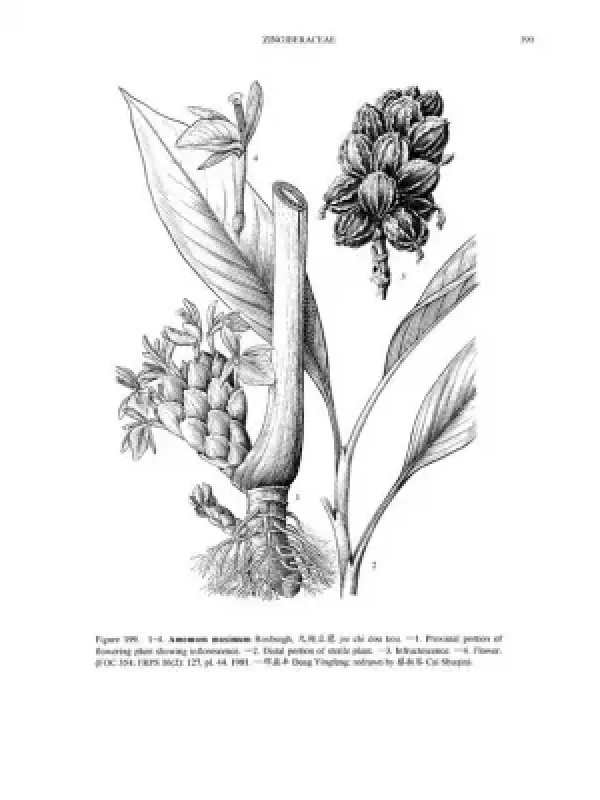
Description
Growing requirements
Amomum maximum is a perennial herbaceous plant belonging to the Zingiberaceae family. It is native to the tropical regions of Southeast Asia, thriving in humid forest understories where organic matter is abundant.
The plant requires a stable tropical climate with temperatures ranging from 22 to 30 degrees Celsius. It is highly sensitive to cold and frost, making it suitable only for specific tropical or subtropical agricultural zones.
Ideal soil conditions involve loose, well-drained substrate rich in humus. Due to its shallow rhizome system, the plant requires consistent moisture but is prone to root rot if water stagnation occurs, necessitating effective drainage.
High relative humidity, ideally above 70-80 percent, is essential for healthy growth. In a plantation setting, this is managed through regular irrigation and the application of mulch to simulate the natural forest floor environment.
Amomum plants prefer partial shade. Excessive direct sunlight can cause leaf scorching and stress, therefore, canopy management or artificial shading is often used in commercial cultivation to maintain plant vigor.
Yield
The main economic value of Amomum maximum lies in its seed pods, which are harvested for their aromatic properties. These seeds are commonly used as a spice in culinary applications and as a constituent in traditional medicines.
Plants generally enter the reproductive phase and start producing fruits after three to four years of growth. Yield is highly dependent on plantation management, including soil nutrition and moisture consistency.
The yield potential is determined by the density and health of the rhizomes. Proper spacing ensures that each plant receives sufficient resources to support the production of heavy inflorescences at the base of the stems.
Post-harvest processing involves cleaning, sorting, and drying the fruit pods. This stage is critical for maintaining the high concentration of essential oils that define the spice's unique flavor profile.
Commercial plantations are often focused on the export market, where high-quality dried Amomum seeds are sought after for their fragrance and health benefits in the herbal industry.
Main diseases and pests
Fungal diseases, particularly root rot, pose the greatest threat to Amomum maximum. These pathogens thrive in poorly drained soils and during periods of excessive rainfall, often leading to rapid decline of the crops.
Nematodes are another major concern, as they infest the rhizomes and severely inhibit nutrient uptake. Integrated pest management strategies, such as crop rotation and soil solarization, are recommended.
Spider mites and other foliage pests can become a problem during dry spells. These pests reduce the photosynthetic capacity of the leaves, directly impacting the plant's energy reserves for fruit production.
Proactive disease control includes ensuring proper ventilation within the plantation and removing diseased plant material immediately to prevent the spread of spores or soil-borne pathogens.
Organic pest control methods are preferred, as the product is intended for human consumption, and stringent regulations often prohibit the use of heavy synthetic pesticides on this crop.
Harvesting
Harvesting Amomum maximum is a labor-intensive process, as the fruit pods ripen at different intervals. Manual picking is required to ensure that only fully mature pods are selected for the market.
Maturity is indicated by the transformation of the pods into a deep brown color. Harvesters must be careful to avoid damaging the base of the plant, which is vital for the continuous growth of future seasons' crops.
Once harvested, the pods must be processed quickly. Natural sun-drying is the most traditional method, though modern plantations may use climate-controlled dryers to ensure uniform moisture content and quality.
During the drying phase, it is crucial to keep temperatures moderate, typically below 45 degrees Celsius, to prevent the volatile essential oils from degrading or evaporating prematurely.
Finally, the dried seeds are cleaned of debris, sorted by quality, and stored in airtight, moisture-resistant packaging to preserve their aromatic potency for long-term supply chains.